
Rusal, one of the world's largest aluminum producers, is taking a significant step towards exploring new technological horizons. In September 2022, Rusal Management, a subsidiary of Rusal JSC, conducted an open tender for the purchase of 162 block containers, which are intended for the installation of cryptocurrency mining equipment. According to the tender documentation, these containers are to be delivered to future mining data centers by March 15, 2026. The new data center locations cover three key regions: the Nadvoitsky Aluminum Plant (NAP) in the Republic of Karelia, the Kandalaksha Aluminum Plant (KAP) in the Murmansk Region, and a site in the Republic of Khakassia.
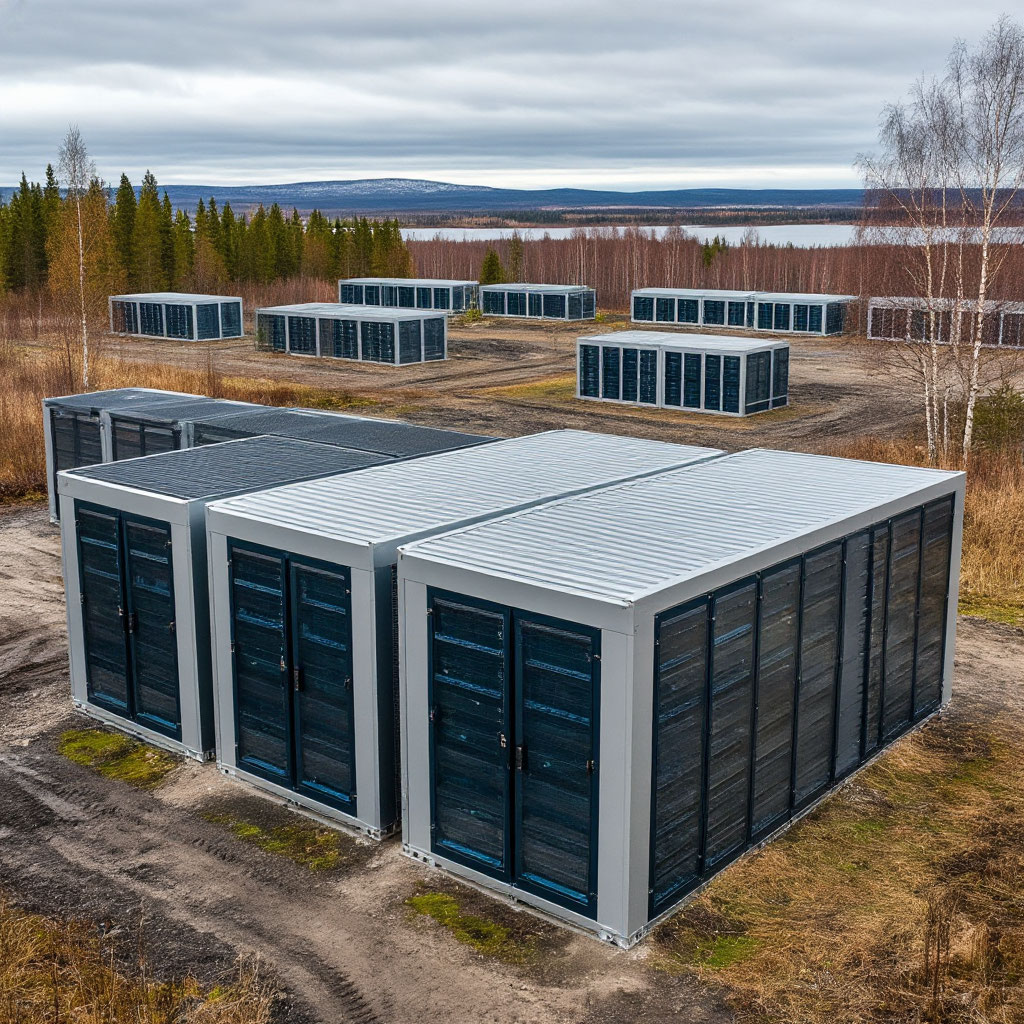
Despite the fact that the details of the procurement procedure, the name of the supplier, and the cost of the contract have not yet been disclosed, Rusal's large-scale investment in mining infrastructure indicates the company's strategic vision and its desire to diversify its business. The construction of data centers of this scale will inevitably have a significant impact on various sectors of the economy, and the industrial refrigeration equipment industry will be one of the key beneficiaries.
Mining equipment, especially in large quantities, generates a significant amount of heat, which must be effectively dissipated to ensure stable and uninterrupted operation. Otherwise, overheating of the equipment can lead to reduced performance, breakdowns, and, consequently, financial losses. This is where industrial refrigeration equipment comes into play, as it plays a crucial role in maintaining the optimal temperature within data center facilities.
The construction of new data centers by Rusal will create a significant demand for high-performance and reliable cooling systems, which will stimulate the development and innovation in the industrial cooling industry. Companies specializing in the design, production, and maintenance of such equipment will have the opportunity to expand their market and strengthen their positions.
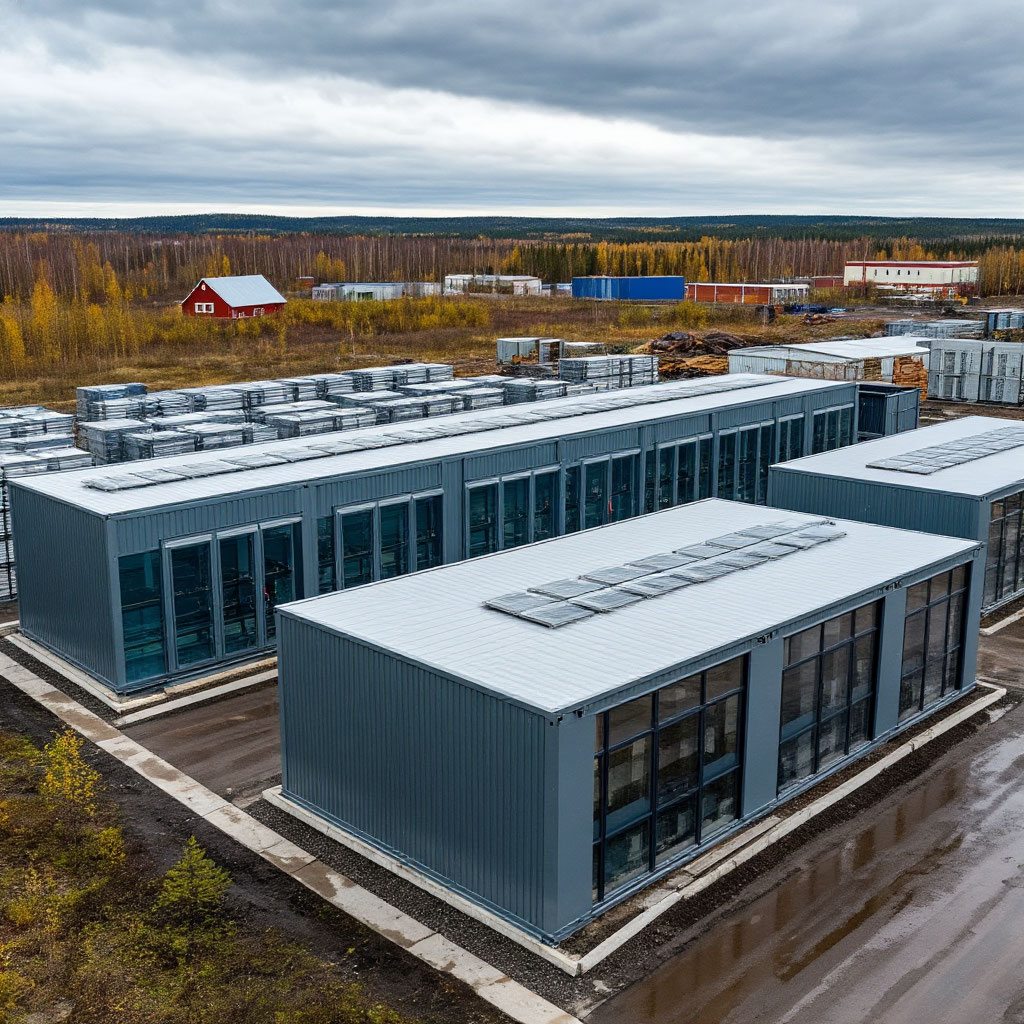
A wide range of industrial refrigeration equipment is used to effectively cool data center equipment, each type of equipment performing a specific function:
Chillers: A key component of a data center's cooling system. Chillers are refrigeration units that cool a heat transfer fluid (typically water or glycol solutions), which is then circulated through a cooling distribution system to remove heat from servers and other equipment.
Precision Air Conditioners (CRAC/CRAH): These air conditioners provide precise temperature and humidity control in critical areas of the data center, such as data rooms.
Liquid cooling systems: The most efficient way to remove heat directly from server components.
Cooling Monitoring and Control Systems: These systems allow you to monitor temperature, humidity, and other parameters in real-time, as well as automatically adjust the refrigeration equipment to optimize its performance and energy efficiency.
The implementation of the data center construction project by Rusal will become a powerful growth driver for the industrial refrigeration equipment industry. The introduction of advanced cooling technologies will ensure the stable and efficient operation of the new data centers, which in turn will strengthen Rusal's position in the cryptocurrency market and open up new opportunities for business development.




In December 2025, Copeland—a global leader in compressor manufacturing—unveiled a new development: a CO₂ scroll compressor featuring Dynamic Vapor Injection (DVI) technology. This milestone marked a significant step in the evolution of industrial refrigeration equipment, as the combination of the natural refrigerant CO₂ and an advanced vapor injection system opens up new possibilities for enhancing energy efficiency, reducing operating costs, and meeting environmental regulations.
 Выберите размер контейнера: Температурный режим: Новый или Б/У: | Прайс-лист на рефрижераторные контейнеры Вы выбрали: 40 футовые, низкотемпературные, новые 
| ||||||||||||||||||||||||||||||||||||||||||||||||||||




 Telegram

