
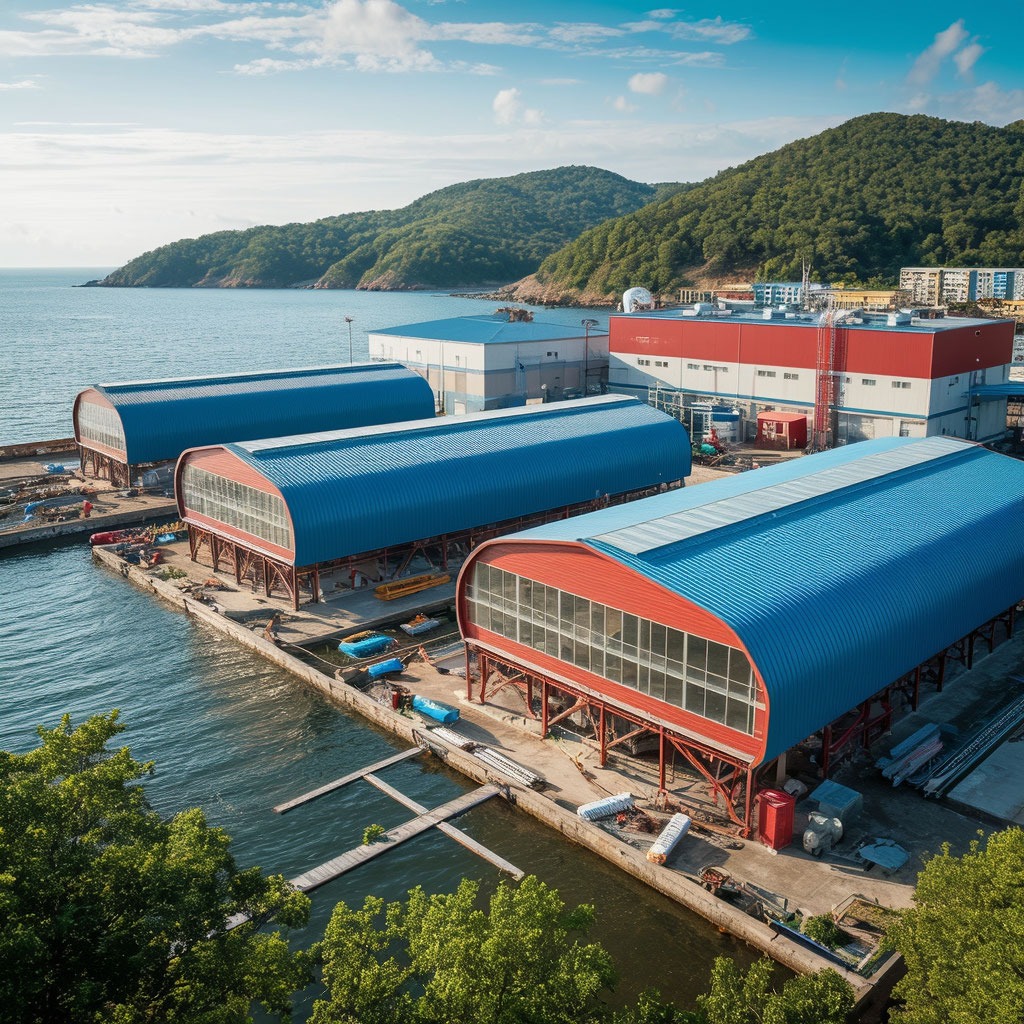
Primorsky Krai is preparing for a large-scale upgrade of its fish processing infrastructure. According to the regional Ministry of Forestry, three new enterprises will be commissioned by 2029 as part of the "quota under the keel" program. Yuzhmorrybflot will build a large fish processing plant, while Veles-Sneck LLC will launch two small-scale plants. The total amount of private investment will exceed 2 billion rubles. For manufacturers and suppliers of industrial refrigeration equipment, this event means not just a one-time deal, but a sustainable growth vector for the next three years.
Impact on the industrial refrigeration equipment market
The construction of such facilities creates a direct and powerful impetus for the industrial refrigeration segment. Each factory is a complex organism where temperature is the main condition for product preservation and the smooth operation of the technological cycle. Companies specializing in the design, supply, and installation of refrigeration systems receive orders in several areas.
First, it is a comprehensive equipment from scratch. Each of the three projects requires the development of an individual refrigeration supply scheme, the calculation of heat inflows, and the selection of equipment based on the type of fish being processed and the climatic conditions of the region. Second, the construction of logistics complexes (which were also reported by the Ministry, with an investment of 8.5 billion rubles) involves the creation of distribution refrigeration centers with storage capacities in the thousands of tons. Finally, the increase in the supply of processed fish will inevitably lead to the modernization of existing refrigeration facilities at second-line processors, such as retail chains and wholesale warehouses.
Thus, the total demand for industrial refrigeration systems in Primorye in the next three years, taking into account the projects that have already been announced, is estimated to be significantly higher than the direct investment in the factories themselves. For suppliers, this is a window of opportunity that requires them to be ready not only to offer the hardware, but also to provide high-quality service in a remote region.
What hardware is used and why
A modern fish processing plant is a conveyor with different types of refrigeration equipment at each stage. Below is a list of key systems with their characteristics and functions.
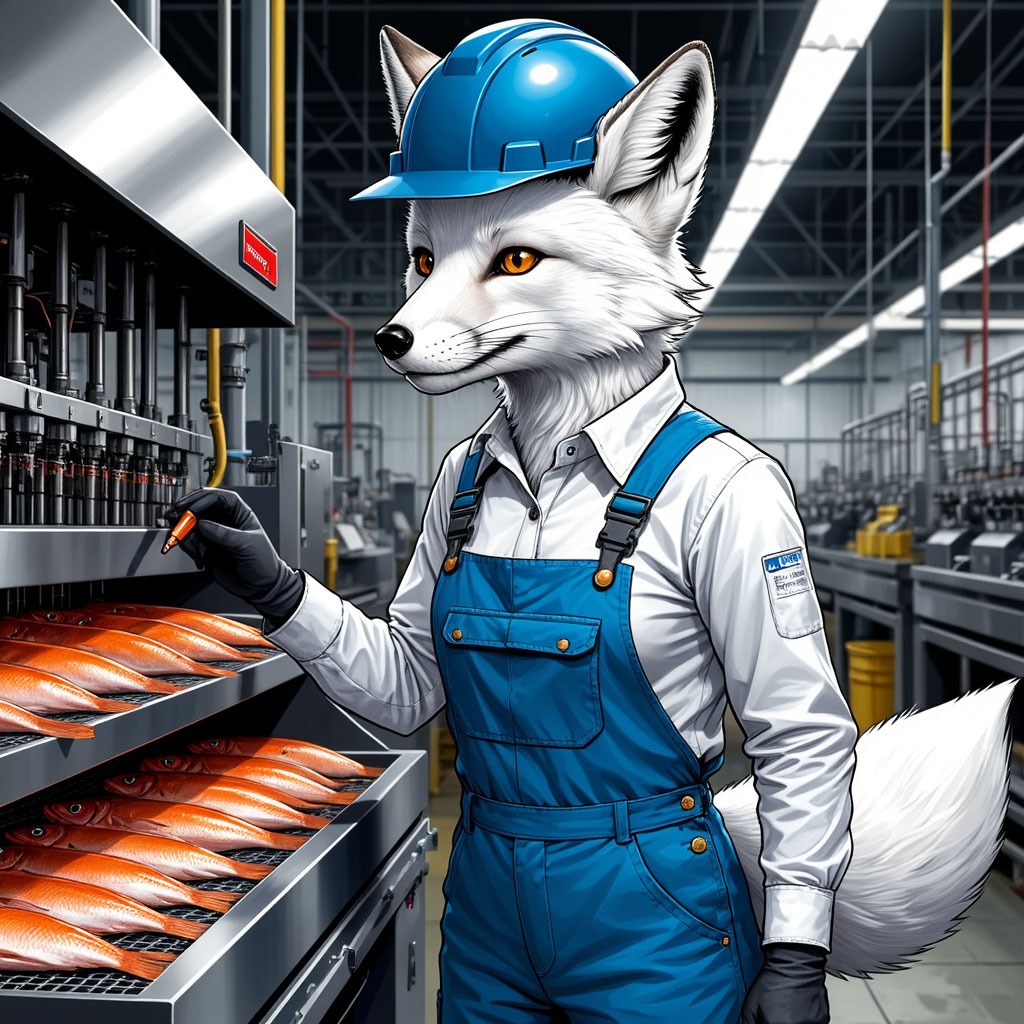
Rapid Freezing Units (RFU) This is the heart of any fish processing plant. After washing and cutting, the fish must be frozen as quickly as possible to preserve its protein structure and appearance.
Refrigerated rooms (storage rooms) After freezing, the products are placed in a stationary storage facility.
Industrial ammonia and freon chillers These are the "cold generators" for the entire enterprise. Essentially, they are refrigeration machines that produce ice water (glycol) for subsequent supply to heat exchangers.
Ice Generators Ice production is a critical step in the initial processing of freshly caught fish onshore.
Cold transport equipment This includes heat exchangers (air coolers and condensers) that dissipate heat into the atmosphere or transfer cold into the chamber.
For the Yuzhmorrybflot and Veles-Sneck factories, the decisive factor will be not only the purchase of powerful equipment, but also competent automation. Intelligent control systems (SCADA and PLC) will reduce energy consumption by 20-30%, which directly affects the cost of final products. For refrigeration equipment suppliers, this means that competition will shift towards turnkey solutions rather than the sale of individual units.
Thus, the construction of three factories in Primorye is not just a matter of numbers in reports. It is the deployment of a network of complex engineering systems, where the reliability of each compressor and the precision of automation will determine the investment attractiveness of the entire project. For industrial refrigeration manufacturers, this is a period of active growth that requires flexibility in logistics and a willingness to tackle unconventional technical challenges in the Far East.




In December 2025, Copeland—a global leader in compressor manufacturing—unveiled a new development: a CO₂ scroll compressor featuring Dynamic Vapor Injection (DVI) technology. This milestone marked a significant step in the evolution of industrial refrigeration equipment, as the combination of the natural refrigerant CO₂ and an advanced vapor injection system opens up new possibilities for enhancing energy efficiency, reducing operating costs, and meeting environmental regulations.
 Выберите размер контейнера: Температурный режим: Новый или Б/У: | Прайс-лист на рефрижераторные контейнеры Вы выбрали: 40 футовые, низкотемпературные, новые 
| ||||||||||||||||||||||||||||||||||||||||||||||||||||




 Telegram

