
The opening of a modern cheese factory in the Chees Valley agro-industrial park in the Dmitrovsky district, scheduled for the third quarter of 2026, is a significant event not only for the food industry but also for related industries. The investment of 1.5 billion rubles in a facility with a capacity of 19,000 tons of products per year creates a significant demand for high-tech engineering infrastructure, with industrial refrigeration equipment being a key component.
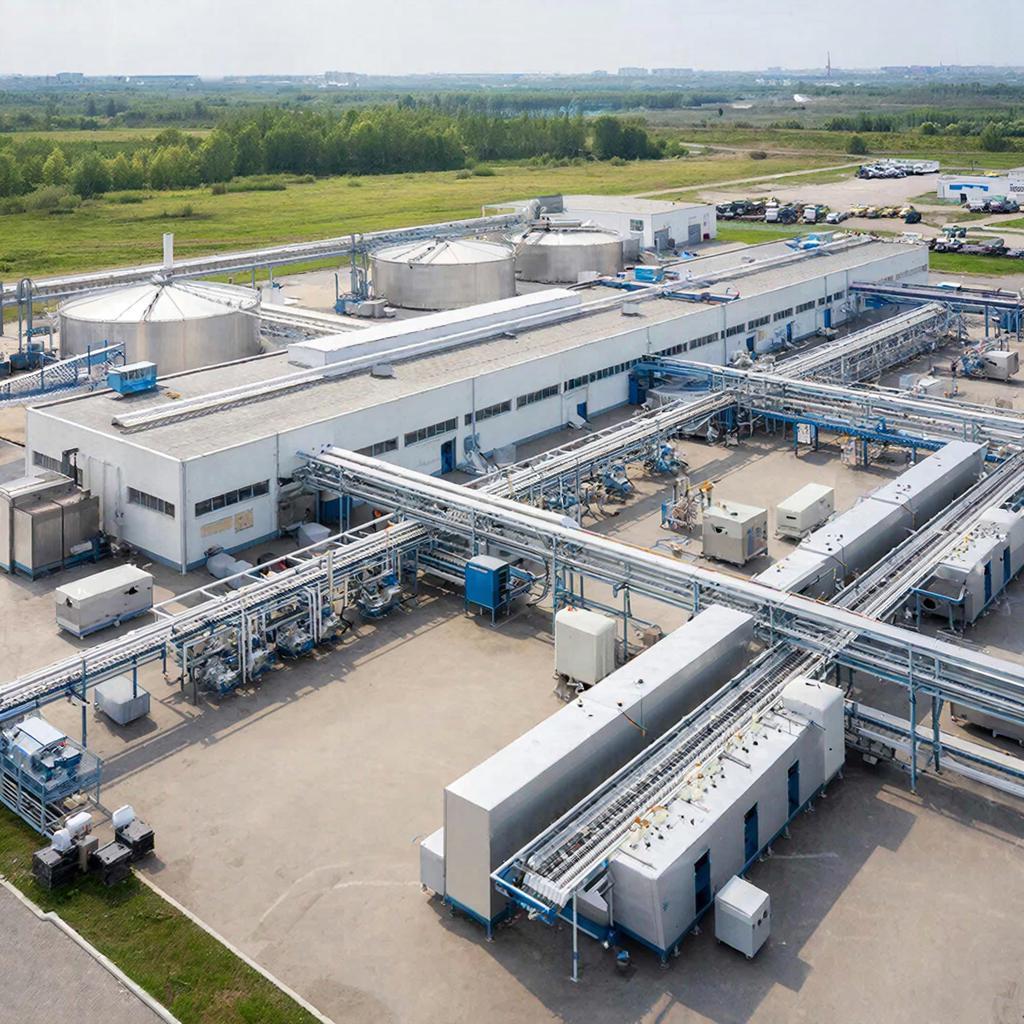
For manufacturers and suppliers of such equipment, this project, as well as the development of the entire cluster with the prospect of five factories, is becoming an important driver of growth. It stimulates demand for complex, capital-intensive turnkey solutions that require individual design, installation, and subsequent service. The successful implementation of such a facility serves as a reference case, strengthening the supplier's reputation and opening up opportunities for further contracts in the rapidly growing segment of deep milk processing.
The technological cycle of cheese and dry dairy product production imposes strict and diverse requirements on temperature conditions. To ensure these conditions, the plant uses a complex of specialized refrigeration equipment.
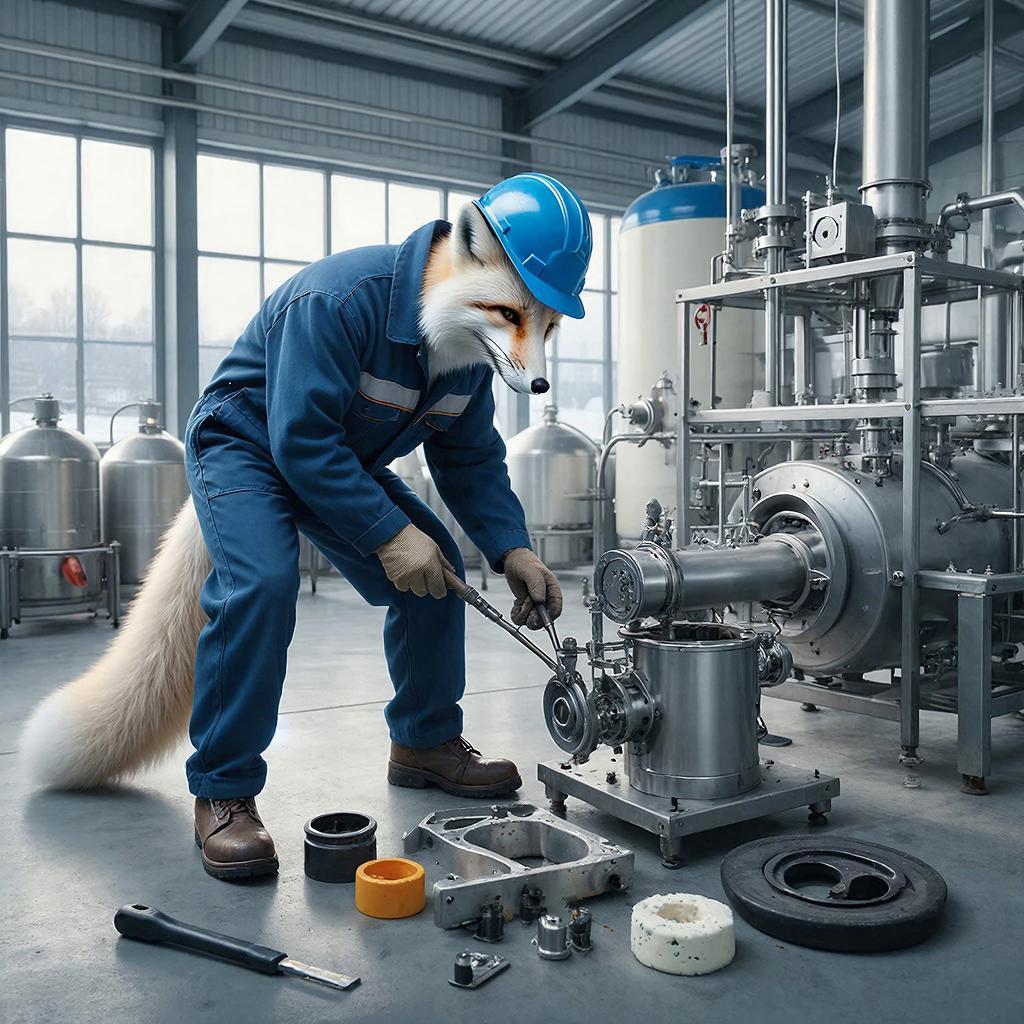
1. Cheese ripening and storage chambers. This is the heart of any cheese production facility. They are isolated rooms with a multi-level climate control system.
2. Industrial chillers and refrigeration units for process cooling.
3. Refrigerated milk storage tanks (tanks).
4. Production lines for dry dairy products and whey.
5. Low-temperature freezers and shock-freezing tunnels.
Thus, the new plant in the Moscow region is not just a production facility, but a complex organism whose viability depends on the smooth and precise operation of all the refrigeration chain links. The implementation of such projects brings the entire market along with it, promoting the adoption of energy-efficient technologies, digital monitoring systems, and automatic regulation, which ultimately sets new standards for the entire domestic food engineering industry.




In December 2025, Copeland—a global leader in compressor manufacturing—unveiled a new development: a CO₂ scroll compressor featuring Dynamic Vapor Injection (DVI) technology. This milestone marked a significant step in the evolution of industrial refrigeration equipment, as the combination of the natural refrigerant CO₂ and an advanced vapor injection system opens up new possibilities for enhancing energy efficiency, reducing operating costs, and meeting environmental regulations.
 Выберите размер контейнера: Температурный режим: Новый или Б/У: | Прайс-лист на рефрижераторные контейнеры Вы выбрали: 40 футовые, низкотемпературные, новые 
| ||||||||||||||||||||||||||||||||||||||||||||||||||||




 Telegram

