
A large-scale event in the pharmaceutical and food industry is coming to the Leningrad Region – the construction of a plant for the production of biologically active supplements (BAS) worth 3.2 billion rubles. This investment project will not only strengthen the position of domestic manufacturers of BAS in the market, but also create new opportunities for companies specializing in industrial refrigeration equipment.
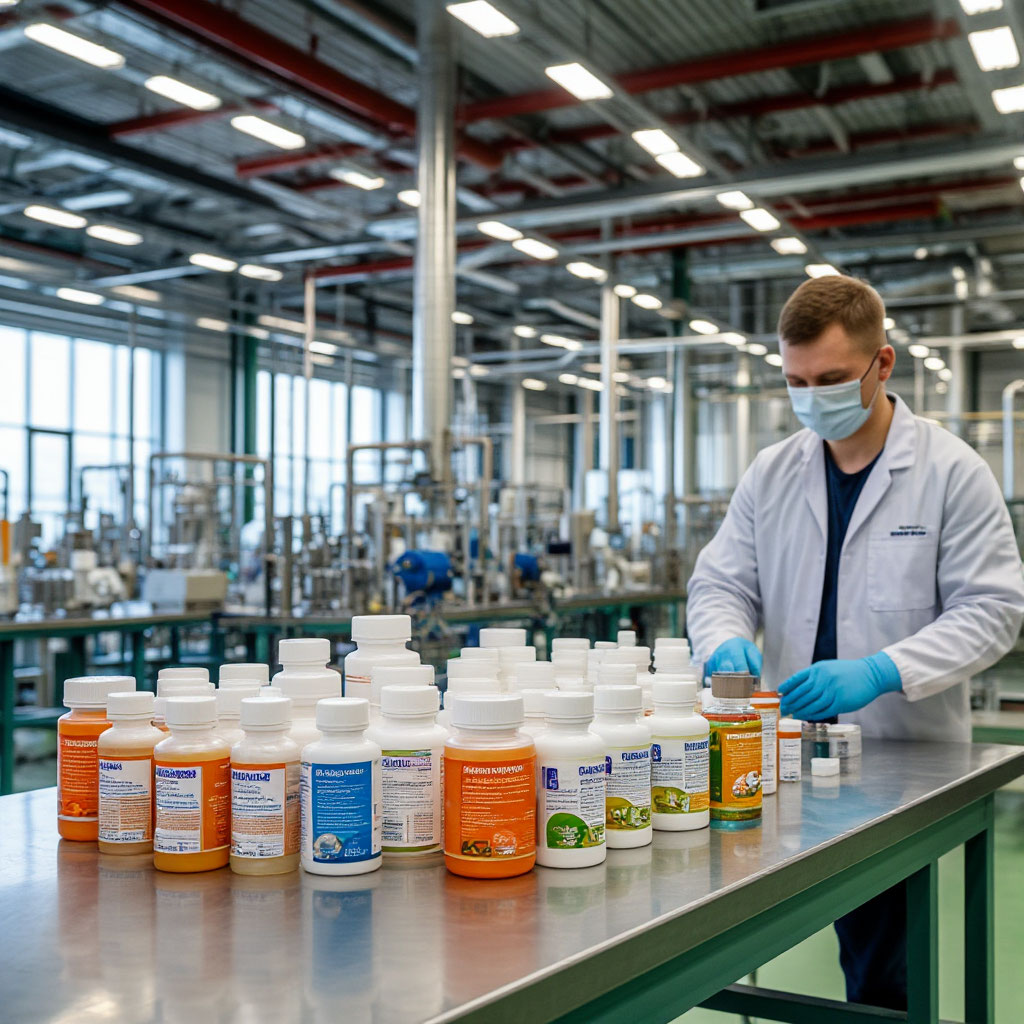
Prospects for the industrial cold storage market
The specifics of the production of dietary supplements, including the use of sensitive raw materials and strict temperature requirements, place special demands on cooling and microclimate maintenance systems. A high-tech plant will inevitably become a major consumer of industrial refrigeration equipment, creating new opportunities for companies that can offer modern and efficient solutions.
The construction of a new plant of this scale creates a multiplier effect that extends to various sectors of the economy. In addition to industrial refrigeration manufacturers, construction companies, suppliers of raw materials, and transportation and logistics enterprises will benefit from the project. Ultimately, the project will contribute to the development of the regional economy and the creation of new jobs.
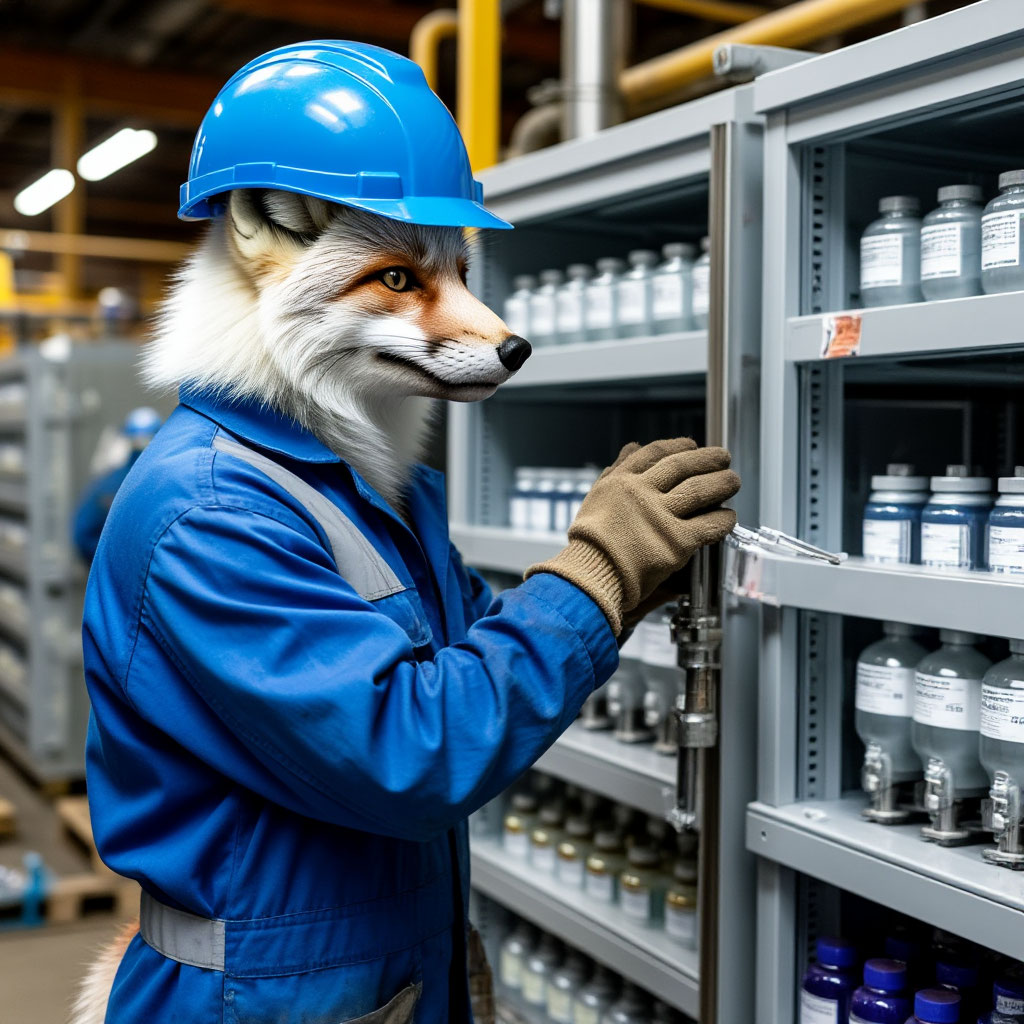
Cold in the production of dietary supplements: strict control at every stage
Industrial refrigeration equipment plays a key role in all stages of dietary supplement production, from the storage of raw materials to the packaging of finished products. The need to maintain stable temperature and humidity is essential for preserving the activity of biologically active substances, preventing the growth of microorganisms, and ensuring that products meet safety and quality requirements.
Let's consider the main types of equipment and their application in a dietary supplement production plant:
Refrigerated storage chambers for raw materials: Designed for storing plant raw materials, vitamins, minerals, and other ingredients used in the production of dietary supplements. The temperature range varies depending on the type of raw material, but it is typically between +2°C and +8°C.
Shock freezers: Used for fast freezing of fruits, vegetables and other ingredients, allowing you to preserve their nutritional properties and appearance. The process of shock freezing involves reducing the temperature of the product to -18°C and below in a short period of time.
Cooled reactors and fermenters: Used in extraction, fermentation, and other processes that require precise temperature control.
Air conditioning systems: They ensure optimal microclimate in production facilities, laboratories, and storage areas. It is important to maintain not only temperature but also humidity, as well as filter the air to remove dust and microorganisms.
Automated refrigeration control systems: Comprehensive solutions that allow you to monitor and control all elements of your refrigeration system, ensuring optimal energy efficiency and safety.
Requirements for equipment and suppliers
Industrial refrigeration equipment for pharmaceutical production is subject to increased requirements in terms of reliability, efficiency, safety, and compliance with sanitary standards. When selecting equipment suppliers, it is important to consider their experience in the pharmaceutical industry, the availability of necessary certifications, and compliance with GMP (Good Manufacturing Practice) standards.
In conclusion, the construction of a dietary supplement production plant in the Leningrad region is not only an important step in the development of the pharmaceutical industry, but also an incentive for the development of related industries, including manufacturers of industrial refrigeration equipment. The successful implementation of the project will require close cooperation between all participants, and the proper selection of equipment and qualified specialists will ensure the high quality and safety of the products produced.




In December 2025, Copeland—a global leader in compressor manufacturing—unveiled a new development: a CO₂ scroll compressor featuring Dynamic Vapor Injection (DVI) technology. This milestone marked a significant step in the evolution of industrial refrigeration equipment, as the combination of the natural refrigerant CO₂ and an advanced vapor injection system opens up new possibilities for enhancing energy efficiency, reducing operating costs, and meeting environmental regulations.
 Выберите размер контейнера: Температурный режим: Новый или Б/У: | Прайс-лист на рефрижераторные контейнеры Вы выбрали: 40 футовые, низкотемпературные, новые 
| ||||||||||||||||||||||||||||||||||||||||||||||||||||




 Telegram

