
MTS invests 6.5 billion rubles in the development of data centers

Icon PreviewIcon PreviewTelegramIcon Preview

MTS, through its MWS Cloud branch, is planning large-scale investments in the development of its data center infrastructure. The volume of investments is estimated at 6.5 billion rubles and will be used to expand the existing Avantage and GreenBushDC sites, as well as to build a new modern data center in the Moscow region. This news, of course, has significant implications for a number of industries, and especially for companies specializing in industrial refrigeration equipment. The growth in the number and scale of data centers is directly related to the increasing demand for high-performance and reliable cooling systems that ensure stable server operation and prevent overheating.
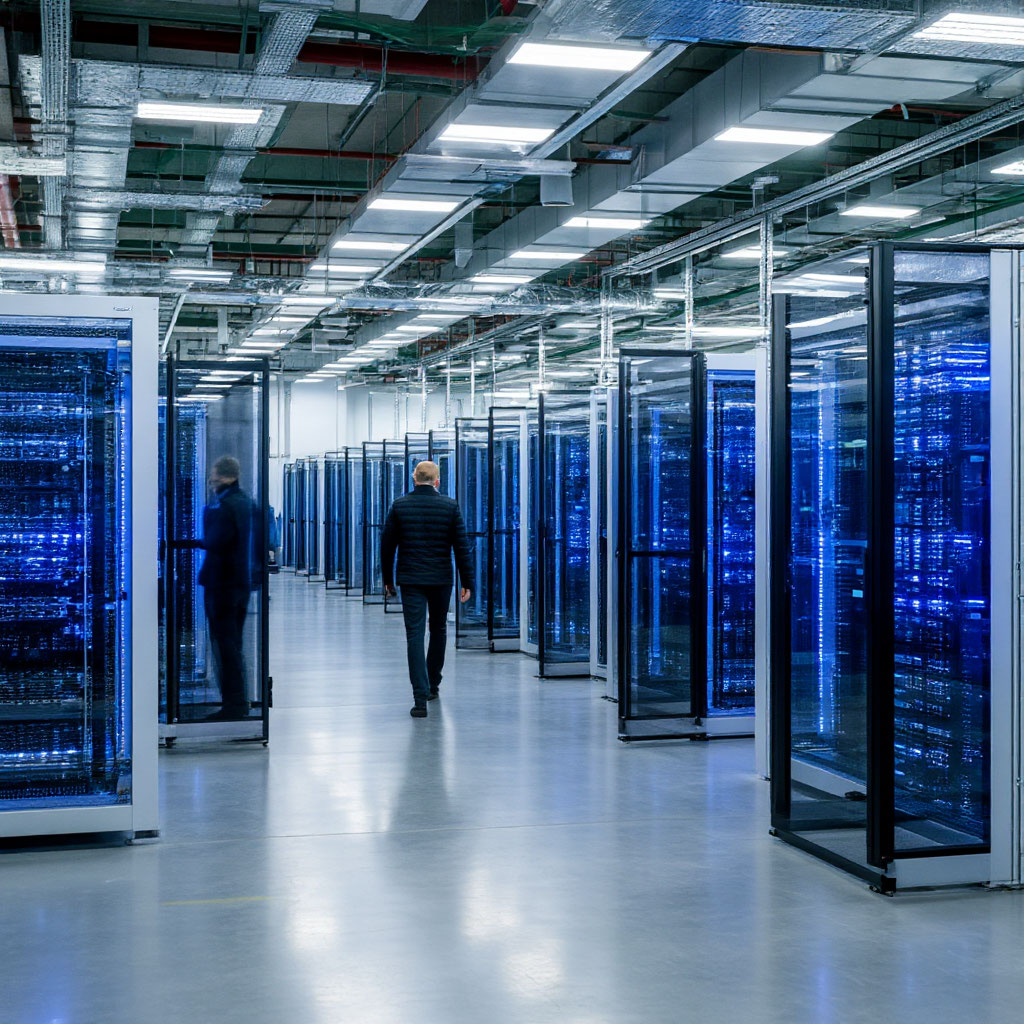
The expansion of the GreenBushDC data center by 600 server racks and plans to build a new data center in the Moscow region with a capacity of 1,200 racks and a total power of 20 MW demonstrate MTS's serious intentions in the field of cloud technologies and IT services. The addition of each new rack with computing equipment automatically requires an increase in the cooling capacity. Consequently, companies that produce, supply, and maintain industrial refrigeration equipment receive a significant boost for their growth and expansion.
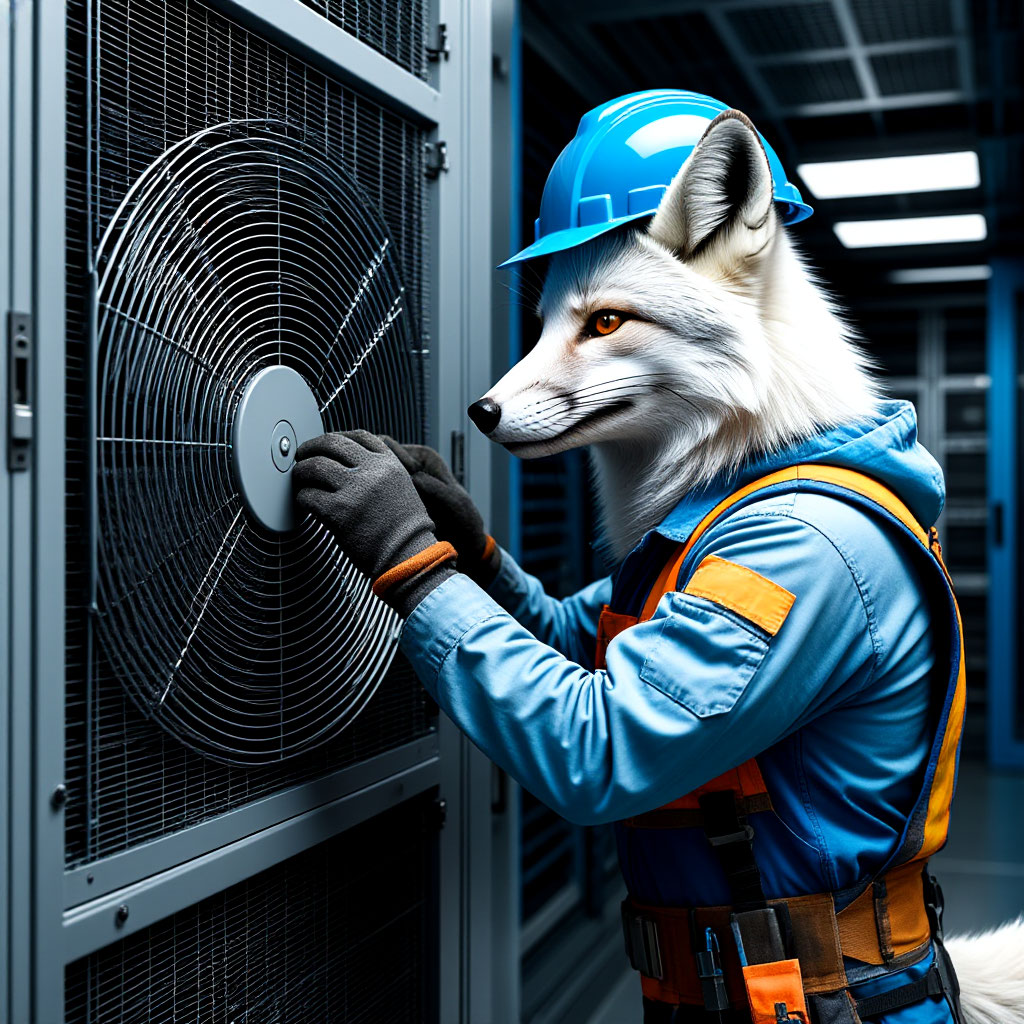
Industrial Refrigeration Equipment for Data Centers: Key Components and Functionality

Data centers have strict requirements for cooling systems. They must provide high reliability, energy efficiency, and precise temperature control. Here are the main types of industrial refrigeration equipment used in data centers, along with their functions and characteristics:

  • Chillers: This is perhaps the most common type of equipment used to cool data centers. Chillers cool water or glycol solution, which is then circulated through the cooling system and removes heat from the servers. There are various types of chillers, including:
    • Compression chillers: Use a compressor to compress the refrigerant and transfer heat. They are characterized by high power and efficiency, but require significant energy consumption.
    • Absorption chillers: They use thermal energy for cooling, which allows for the utilization of waste heat and reduces energy consumption. However, they are less efficient than compression chillers.
    • Free cooling chillers: They use ambient air for cooling (during the cold season), which significantly reduces energy consumption. They require humidity control and additional air filtration.
  • Precision Air Conditioners: Provide precise temperature and humidity control in server rooms. Unlike household air conditioners, precision models are designed to operate continuously and maintain stable air parameters. Features:
    • Temperature maintenance accuracy: ±1°C
    • Humidity maintenance accuracy: ±5%
    • High reliability and component redundancy.
  • Liquid cooling systems: Increasingly popular in modern data centers, especially for high-density server layouts. Liquid (usually water or a specialized refrigerant) is circulated directly through the servers, dissipating heat much more efficiently than air cooling. There are various options available:
    • Direct liquid cooling: The liquid comes into direct contact with the server components (processor, memory, etc.).
    • Heat pipe cooling: Heat pipes transfer heat from the server components to a radiator that is cooled by liquid.
  • Cooling towers (dry coolers): These are used to remove heat from chillers into the atmosphere. In cooling towers, water is sprayed into the air, causing it to evaporate and cool down. Dry coolers perform the same function, but without the need for water evaporation, using only air cooling.
  • Monitoring and control systems: An integral part of modern data centers. These systems allow you to monitor temperature, humidity, energy consumption, and other parameters in real-time, as well as automatically adjust the equipment to ensure optimal conditions.

Impact of MTS investments on the industrial refrigeration market

MTS's investments in the development of data center facilities will create a significant demand for all of the above-mentioned types of equipment. Companies specializing in the design, installation, and maintenance of cooling systems for data center facilities will receive new orders and opportunities to expand their operations. The following should also be expected:

  • Increased competition: To secure lucrative contracts, companies will need to offer more innovative, energy-efficient, and cost-effective solutions.
  • Development of new technologies: The demand for more efficient and compact cooling systems will stimulate research and development in the field of industrial refrigeration.
  • Staff training: The installation and maintenance of complex cooling systems require highly skilled professionals. Companies will need to invest in staff training and retraining.

Thus, MTS's investments in the development of data center facilities will have a positive impact on the industrial refrigeration equipment market, stimulating its growth and development. Companies that can offer innovative and competitive solutions will benefit the most from this trend.


ADVANTAGES
OF WORKING
WITH US
YOU COOPERATE
WITH ONE
COMPANY
You do not need to spend your time on engagement and negotiations with different contractors and suppliers.
EVERYTHING HAPPENS
IN TIME AND EXACTLY
ACCORDING TO THE PLAN
A long-term operational experience and collaborations guarantee delivery to the customer and installation right on time.
WE SAVE YOUR MONEY
IN A CRISIS WITHOUT
SACRIFICING QUALITY
We have reasonable prices, and we produce some types of equipment by ourselves, offering you the best prices.
Over 10 years of activity, hundreds of Russian companies, from large corporations to small cafes, have become clients of the company.
Copeland launches CO₂ compressor with DVI technology

In December 2025, Copeland—a global leader in compressor manufacturing—unveiled a new development: a CO₂ scroll compressor featuring Dynamic Vapor Injection (DVI) technology. This milestone marked a significant step in the evolution of industrial refrigeration equipment, as the combination of the natural refrigerant CO₂ and an advanced vapor injection system opens up new possibilities for enhancing energy efficiency, reducing operating costs, and meeting environmental regulations.

16
sep 2026






