
A meeting was held in the administration of the city of Kuznetsk in the Penza region to discuss plans for the construction of a large data center. This ambitious project, aimed at developing the region's digital infrastructure, will receive a significant investment of 1.5 billion rubles. The city administration emphasizes that an investor has already been found and expresses optimism about the early implementation of the project. The mayor of the city, Sergey Zlatogorsky, highlights the importance of building data centers in light of government policies and calls for a prompt resolution of the land issue.
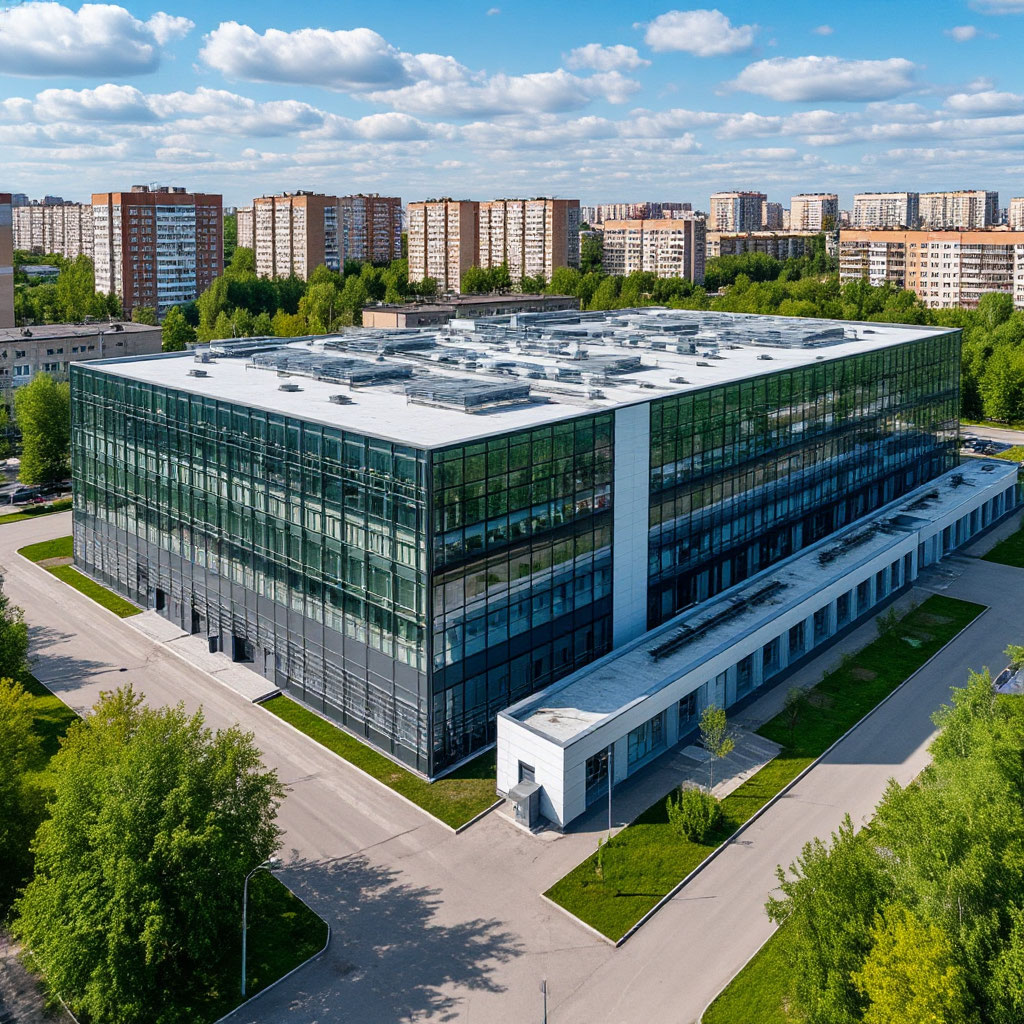
This promising project will not only strengthen Kuznetsk's position on the digital map of Russia, but it will also have a significant impact on related industries, particularly the market for industrial refrigeration equipment. Effective and reliable cooling is a critical aspect of any modern data center's operation. The high density of equipment and significant energy consumption of servers result in the generation of vast amounts of heat, which must be constantly managed. Insufficient or inefficient cooling can lead to overheating of equipment, malfunctions, and even the failure of expensive components.
The new data center in Kuznetsk will undoubtedly create demand for modern and energy-efficient cooling systems, which will stimulate the development of specialized companies and the introduction of innovative technologies. In this regard, it is necessary to consider which specific industrial refrigeration equipment is in demand in the data center and what its main functions are.

Cooling data centers (DCs) is a complex task that requires a comprehensive approach and the use of various technologies. DCs use a range of types of industrial refrigeration equipment, each designed to solve specific problems.
Chillers (Chillers): Chillers are the backbone of many data centers' cooling systems. They provide cooling for water or glycol solution, which is then circulated through the system and removes heat from the equipment.
Cabinet-type air conditioners (CRAC – Computer Room Air Conditioners / CRAH - Computer Room Air Handlers): These air conditioners are installed directly in server rooms and provide local cooling for equipment.
In-Row Cooling systems: They are placed between server racks and provide directional cooling of hot air coming out of the servers.
Precision Air Conditioning Systems: They provide precise control of temperature, humidity, and air cleanliness in server rooms.
Liquid Cooling Systems (Liquid Cooling): Direct cooling of electronic components using liquid (water, oil, or special refrigerants).
The construction of a data center in Kuznetsk will provide an impetus for the development of the industrial refrigeration equipment market in the region. Companies specializing in the design, installation, and maintenance of cooling systems for data centers will have the opportunity to expand their business and implement advanced technologies. Given the importance of energy efficiency and reliability in cooling systems, the new data center is likely to use the most advanced solutions to ensure its stable and uninterrupted operation.




In December 2025, Copeland—a global leader in compressor manufacturing—unveiled a new development: a CO₂ scroll compressor featuring Dynamic Vapor Injection (DVI) technology. This milestone marked a significant step in the evolution of industrial refrigeration equipment, as the combination of the natural refrigerant CO₂ and an advanced vapor injection system opens up new possibilities for enhancing energy efficiency, reducing operating costs, and meeting environmental regulations.
 Выберите размер контейнера: Температурный режим: Новый или Б/У: | Прайс-лист на рефрижераторные контейнеры Вы выбрали: 40 футовые, низкотемпературные, новые 
| ||||||||||||||||||||||||||||||||||||||||||||||||||||




 Telegram

