
Krasnodar Samolet Invests 5.5 Billion Rubles in a Sanatorium in Sochi

Icon PreviewIcon PreviewTelegramIcon Preview

Krasnodar Samolet Invests 5.5 Billion Rubles in a Sanatorium in Sochi: Industrial Refrigeration for Health Services

The Krasnodar developer Samolet has announced a large-scale project: an investment of 5.5 billion rubles in the construction of a modern sanatorium complex in sunny Sochi. This step not only promises a new round of development for the region's resort industry, but also opens up opportunities for companies specializing in industrial refrigeration equipment. The impact of such a large-scale construction project cannot be overstated, as a sanatorium that aspires to be one of the best requires not only modern architecture and advanced infrastructure, but also cutting-edge engineering solutions, including those related to maintaining a favorable microclimate and ensuring the preservation of food and pharmaceutical products.
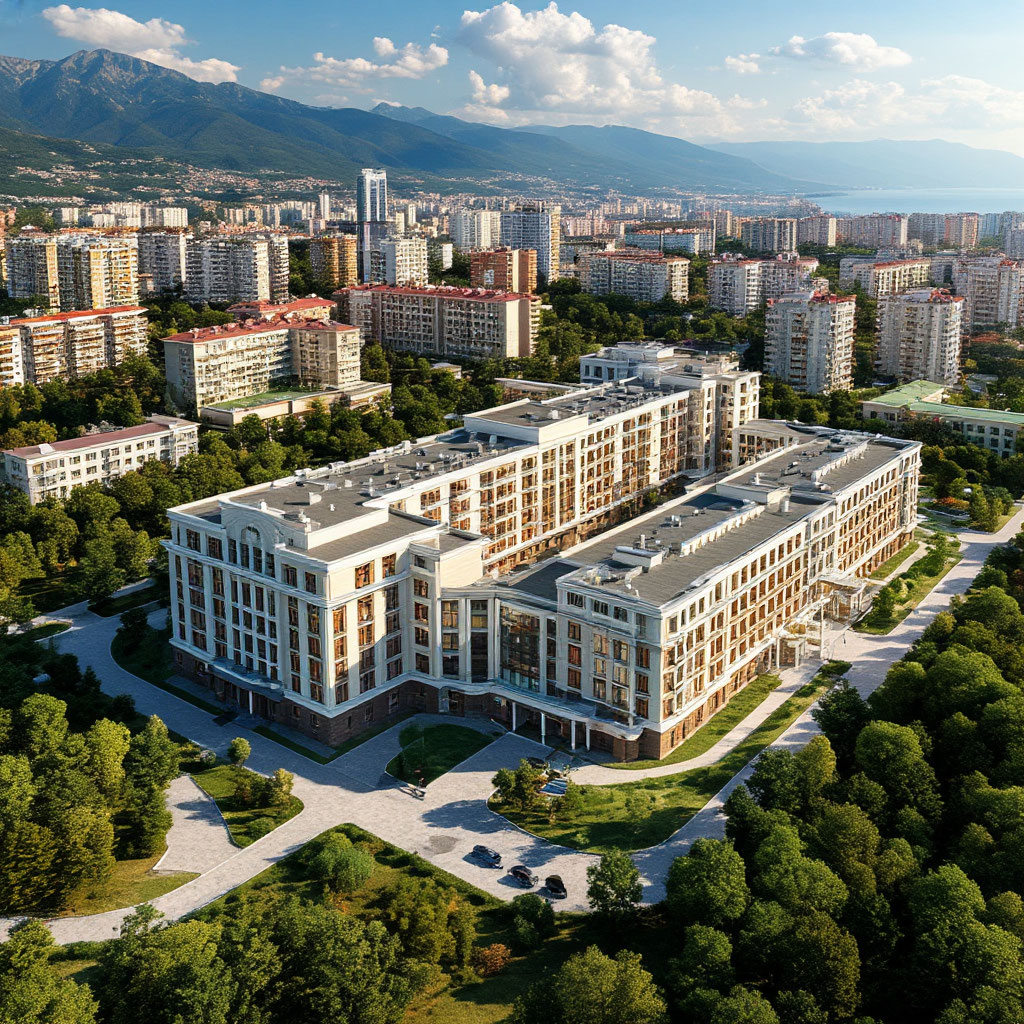
The construction of a sanatorium is a catalyst for the development of related industries. The increased demand for high-quality industrial refrigeration equipment is just one of the direct results of the project. A modern sanatorium complex that strives to meet high standards places special requirements on cooling and freezing technologies. This applies not only to the food industry, but also to the storage of medicines and the maintenance of a comfortable indoor environment. As a result, there is an increased demand for reliable and energy-efficient solutions in the field of industrial refrigeration.
Let's consider which industrial refrigeration equipment can be used in a modern sanatorium complex and what its main functions and characteristics are:

1. Chillers:

  • Function: Cooling of water or other heat carriers, which is then used in air conditioning and ventilation systems to maintain a comfortable temperature in rooms (rooms, medical offices, conference rooms). They can also be used for cooling of technological equipment.
  • Specifications:
    • Cooling capacity: from 100 kW to several MW, depending on the size and purpose of the premises.
    • Compressor type: scroll, screw, and piston (the choice depends on energy efficiency requirements and budget).
    • The refrigerants used are R134a, R410A, and R1234ze (the choice depends on environmental regulations and energy efficiency requirements).
    • Availability of control and monitoring systems (temperature, pressure, and energy consumption control).

2. Cold storage facilities:

  • Function: Storage of food products (meat, fish, vegetables, and fruits) and medicines. Providing optimal temperature and humidity to prevent spoilage and preserve their beneficial properties.
  • Specifications:
    • Volume: from a few cubic meters (for storing medicines) to hundreds of cubic meters (for storing food).
    • Temperature range: from deep freezing (-25°C) to cooling (+5°C), depending on the type of product being stored.
    • Door type: swing, sliding, or automatic (depending on usage and logistics).
    • Panel material: sandwich panels with polyurethane or polyisocyanurate thermal insulation.
    • Temperature and humidity monitoring systems with alarms when the parameters deviate from the set values.

3. Shock-freezing freezers:

  • Function: Rapid freezing of food products to preserve their quality, taste, and nutritional value. Used for freezing fruits, vegetables, meat, fish, and semi-finished products.
  • Specifications:
    • Freezing temperature: up to -40°C.
    • Freezing time: from 30 minutes to several hours (depending on the type and size of the product).
    • Equipment type: tunnel, spiral, and slab freezers.
    • Automatic defrosting systems.

4. Ice generators:

  • Function: Production of ice for various purposes: cooling drinks, serving food, and using it in medical procedures.
  • Specifications:
    • Productivity: from several dozen kilograms to several tons of ice per day.
    • Ice type: cubed, granulated, or flake (the choice depends on the application).
    • Case material: Stainless steel.
    • Water filtration and purification systems.

5. Centralized refrigeration systems:

  • Function: Providing cold to multiple consumers (refrigerators, chillers, and ice makers) from a single source. Improving energy efficiency and reducing operating costs.
  • Specifications:
    • Use of one or more powerful compressors.
    • Automatic control and performance regulation systems.
    • Backup equipment to ensure uninterrupted operation.

In conclusion, the investment of the Samolet company in the construction of a sanatorium complex in Sochi is not only an important step for the development of the region's resort business, but also an incentive for the development of the industrial refrigeration equipment market. Modern requirements for quality, energy efficiency, and environmental friendliness create favorable conditions for the implementation of advanced technologies and solutions in the field of industrial refrigeration, ensuring comfort and safety for vacationers and the staff of the sanatorium. Companies that can offer innovative and reliable solutions have the potential to become key partners in the implementation of this large-scale project.


ADVANTAGES
OF WORKING
WITH US
YOU COOPERATE
WITH ONE
COMPANY
You do not need to spend your time on engagement and negotiations with different contractors and suppliers.
EVERYTHING HAPPENS
IN TIME AND EXACTLY
ACCORDING TO THE PLAN
A long-term operational experience and collaborations guarantee delivery to the customer and installation right on time.
WE SAVE YOUR MONEY
IN A CRISIS WITHOUT
SACRIFICING QUALITY
We have reasonable prices, and we produce some types of equipment by ourselves, offering you the best prices.
Over 10 years of activity, hundreds of Russian companies, from large corporations to small cafes, have become clients of the company.
Copeland launches CO₂ compressor with DVI technology

In December 2025, Copeland—a global leader in compressor manufacturing—unveiled a new development: a CO₂ scroll compressor featuring Dynamic Vapor Injection (DVI) technology. This milestone marked a significant step in the evolution of industrial refrigeration equipment, as the combination of the natural refrigerant CO₂ and an advanced vapor injection system opens up new possibilities for enhancing energy efficiency, reducing operating costs, and meeting environmental regulations.

16
sep 2026






