
The construction of a new high-tech pharmaceutical complex with a full production cycle at the Novoorlovskaya site of the St. Petersburg Special Economic Zone is a project that is not only measured in billions of rubles of investment and thousands of square meters of space. Its implementation signals a profound transformation of the domestic pharmaceutical industry, which is moving towards full localization and increased technological complexity of processes. The planned output of up to 17 million drug packages per year by the second quarter of 2026 not only sets new production standards, but also creates significant demand for related high-tech engineering systems, particularly industrial refrigeration equipment. This presents both opportunities and challenges for companies in this sector.
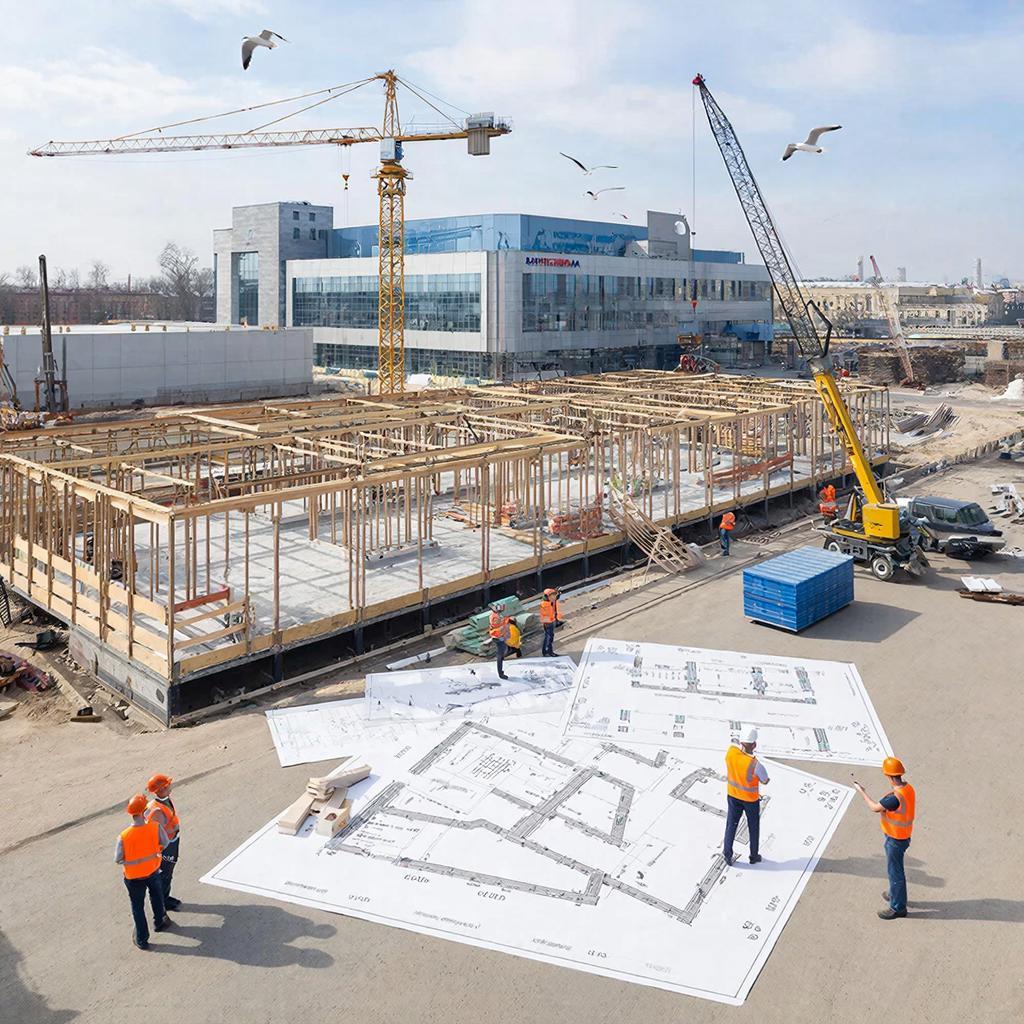
The impact of such a large-scale project on manufacturers and suppliers of industrial refrigeration equipment is complex. Firstly, there is a direct and significant demand for the creation of a complete refrigeration system for a new enterprise. This system is not a single unit; it is a complex infrastructure that requires design, integration, and subsequent maintenance. Secondly, the increased technological requirements of pharmaceutical production (especially the full cycle, which includes the synthesis of substances, purification, formulation, and packaging) set a high standard for equipment: It must ensure uninterrupted operation, exceptional accuracy in maintaining temperature conditions, and comply with strict GMP (Good Manufacturing Practice) standards for cleanliness and process control. This encourages refrigeration companies to develop their own engineering capabilities and offer more advanced, often customized solutions. Thirdly, the successful implementation of such a flagship project can serve as a reference for other similar projects in the pharmaceutical and biotechnology industries, creating a stable market for high-quality industrial refrigeration.
In such a pharmaceutical complex, refrigeration equipment performs a number of critical functions that are distributed across various stages of production.

Centralized refrigeration systems. They are based on powerful chillers (water-cooling machines) with high-precision temperature control of the supplied liquid (often in the range of +6°C to -15°C). They provide cold for the entire building's processes through a piping system. For such projects, chillers with screw or centrifugal compressors are used, which are highly energy-efficient, have low levels of vibration and noise, and are equipped with automatic control and monitoring systems. Redundant unit configurations are often employed to ensure continuous operation.
Specialized refrigeration units for research and production laboratories. These require precision refrigeration chambers and cabinets that can maintain a stable temperature within a narrow range (e.g., -20°C to +4°C) with minimal deviations. They are used for storing reagents, intermediates, and enzymes. The equipment should have a corrosion-resistant interior, monitoring systems for parameters, and data recording, often integrated with the overall production control system.
Refrigerated chambers for the warehouse of finished products. After production, many dosage forms (especially biological products and vaccines) require storage at strictly defined temperatures. For this purpose, large industrial refrigerated warehouses (chambers) with temperatures ranging from +2°C to +8°C (for "cold storage") or from -20°C and below (for "freezer") are created. These chambers are equipped with powerful refrigeration units with air or evaporative condensers, have enhanced thermal insulation, and a sophisticated microclimate control system to ensure a uniform temperature field throughout the entire volume.
Equipment for cleaning and drying. Some process steps, such as crystallization or vacuum drying, may require the supply of cooled air or refrigerant. For this purpose, specialized air coolers and condensers are integrated into the process lines.
Thus, the Baltфарма project becomes not only a new production facility, but also a catalyst for the development of an entire engineering segment – the market for high-tech industrial refrigeration equipment, which must meet the challenges of the modern, science-intensive, and socially significant pharmaceutical industry.




In December 2025, Copeland—a global leader in compressor manufacturing—unveiled a new development: a CO₂ scroll compressor featuring Dynamic Vapor Injection (DVI) technology. This milestone marked a significant step in the evolution of industrial refrigeration equipment, as the combination of the natural refrigerant CO₂ and an advanced vapor injection system opens up new possibilities for enhancing energy efficiency, reducing operating costs, and meeting environmental regulations.
 Выберите размер контейнера: Температурный режим: Новый или Б/У: | Прайс-лист на рефрижераторные контейнеры Вы выбрали: 40 футовые, низкотемпературные, новые 
| ||||||||||||||||||||||||||||||||||||||||||||||||||||




 Telegram

