
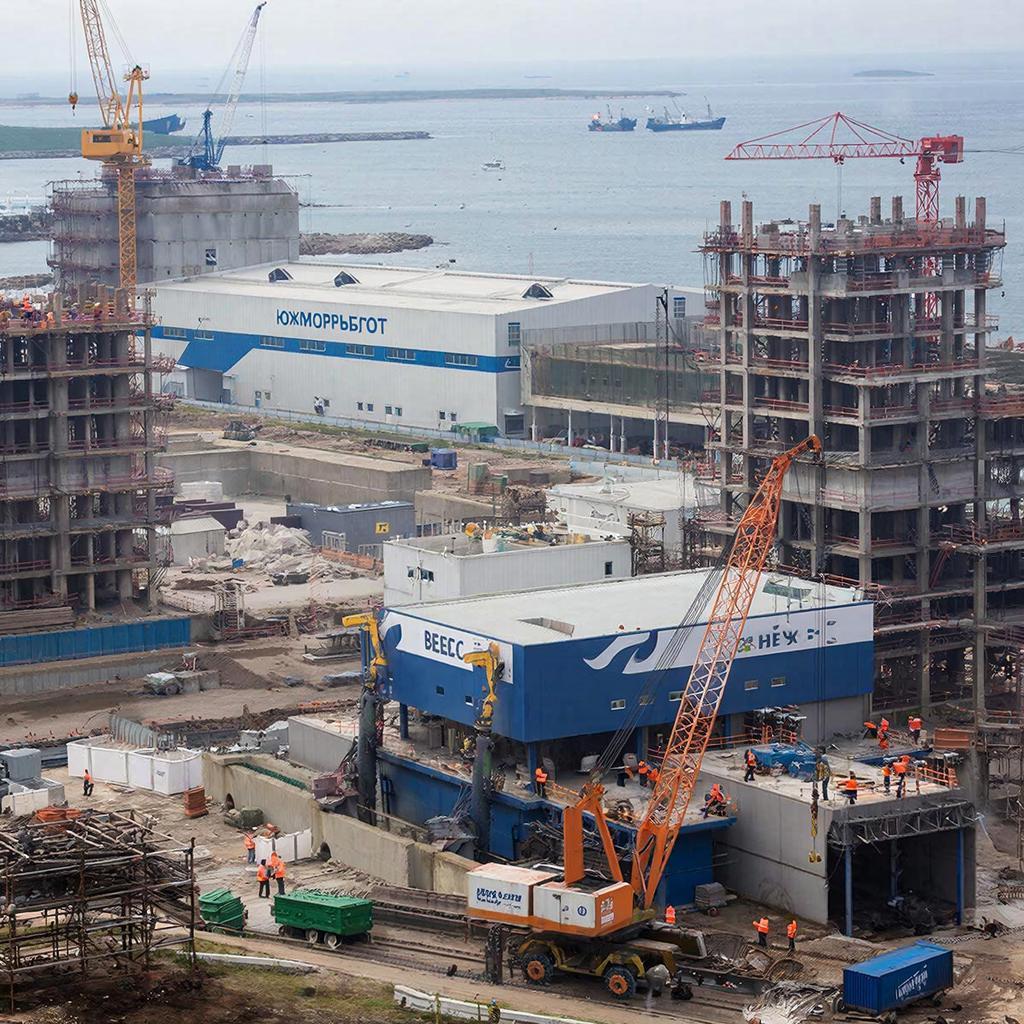
The announced construction of three new fish processing plants in Primorsky Krai, with a total investment of about 2.2 billion rubles until 2029, is not only a significant event for the regional economy and the fishing industry, but also a powerful impetus for the development of related industrial sectors. One of the key areas that benefits directly from such large-scale projects is the market for specialized industrial refrigeration equipment.
Impact on refrigeration equipment manufacturers and suppliers
The planned expansion of production capacities for the processing of hydrobionts creates a steady demand for comprehensive solutions in the field of industrial cooling and storage. Companies engaged in the design, production, and installation of such equipment have the opportunity to implement large-scale contracts for the full cycle: from the development of technical solutions to installation and service. For local suppliers, this opens the way to participation in public and private infrastructure development programs, contributes to the technological renewal of their own production lines, and accumulates competencies in working with large facilities. In addition, the parallel implementation of four logistics complex projects with investments exceeding 8.5 billion rubles creates additional synergy, requiring the creation of a continuous refrigeration chain from the production facility to the distribution center.
Key equipment, its functions, and technical specifications
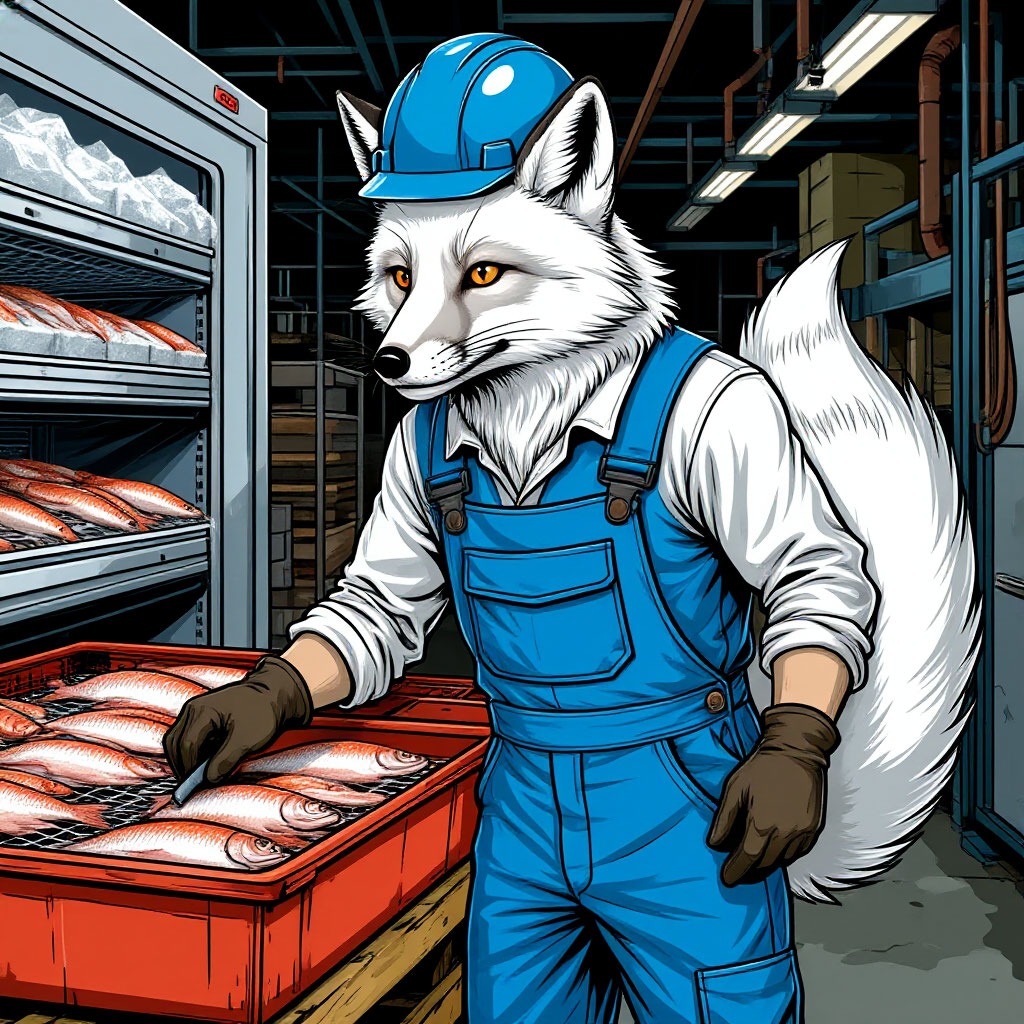
In modern fish processing plants, refrigeration equipment is not an auxiliary, but the main technological complex that ensures product quality and safety. Such projects use:
Industrial refrigeration units (assemblies) of medium and high refrigeration capacity. Function: maintaining specified low-temperature conditions in large volumes. Application: as a basic cooling source for the entire system, serving multiple consumers. Characteristics: refrigeration capacity ranging from 50 kW to several hundred kW; use of semi-hermetic or screw-type compressors; R404A, R507 refrigerants, as well as modern natural refrigerants (CO2) in hybrid systems; automatic control and parameter monitoring.
Refrigerated chambers (warehouses) for long-term storage of raw materials and finished products. Function: providing deep freezing (up to -25°C and below) and maintaining a temperature range of -18°C to -22°C for frozen products, as well as cooling (from 0°C to +4°C) for short-term storage. Application: placement in special isolated rooms with high requirements for thermal protection. Specifications: volumes ranging from hundreds to thousands of cubic meters; floor-standing or ceiling-mounted air coolers with high performance and frost protection; automatic defrosting systems; and a multi-level temperature and humidity control system.
Shock (contact) freezing lines. Function: ultra-fast freezing of products (fish fillets, semi-finished products) to preserve the cellular structure and minimize moisture loss. Application: integrated directly into the production conveyor after packaging. Characteristics: use of slab, air, or liquid (cryogenic) freezing machines; freezing time from a few minutes to an hour; precise temperature control of the process (up to -35°C and below); high degree of automation.
Water cooling systems (chiller) for technological processes. Function: cooling of water used in washing, ice making, and cleaning processes, as well as maintaining temperature in some auxiliary systems. Application: ensuring sanitary and technological standards at various stages of processing. Features: cooling capacity based on the needs of the plant; integration with heat recovery; and energy-efficient designs.
Refrigeration units for ice production (ice generators). Function: production of flake, granulated, or block ice for use in the transportation of raw materials, cooling, and storage processes. Application: standalone modules or part of a comprehensive system. Characteristics: production capacity ranging from several hundred to thousands of kilograms of ice per day; automatic ice dispensing and feeding.
Thus, the investment program for the development of the fish processing industry in Primorsky Krai creates a specific and technologically complex demand for industrial refrigeration systems. This requires equipment market participants to provide not just individual units, but comprehensive, energy-efficient, and integrated solutions that meet strict food safety and logistics standards.




In December 2025, Copeland—a global leader in compressor manufacturing—unveiled a new development: a CO₂ scroll compressor featuring Dynamic Vapor Injection (DVI) technology. This milestone marked a significant step in the evolution of industrial refrigeration equipment, as the combination of the natural refrigerant CO₂ and an advanced vapor injection system opens up new possibilities for enhancing energy efficiency, reducing operating costs, and meeting environmental regulations.
 Выберите размер контейнера: Температурный режим: Новый или Б/У: | Прайс-лист на рефрижераторные контейнеры Вы выбрали: 40 футовые, низкотемпературные, новые 
| ||||||||||||||||||||||||||||||||||||||||||||||||||||




 Telegram

