
The small town of Furmanov in the Ivanovo region will soon become the owner of a long-awaited Ice Palace. This ambitious project, designed to breathe new life into the region's sports infrastructure, is more than just a place for ice skating and hosting hockey matches. It is a symbol of development, health, and an active lifestyle for hundreds of its residents. However, in addition to its obvious social benefits, the construction of the Ice Palace also opens up new opportunities for businesses, particularly those involved in industrial refrigeration equipment.
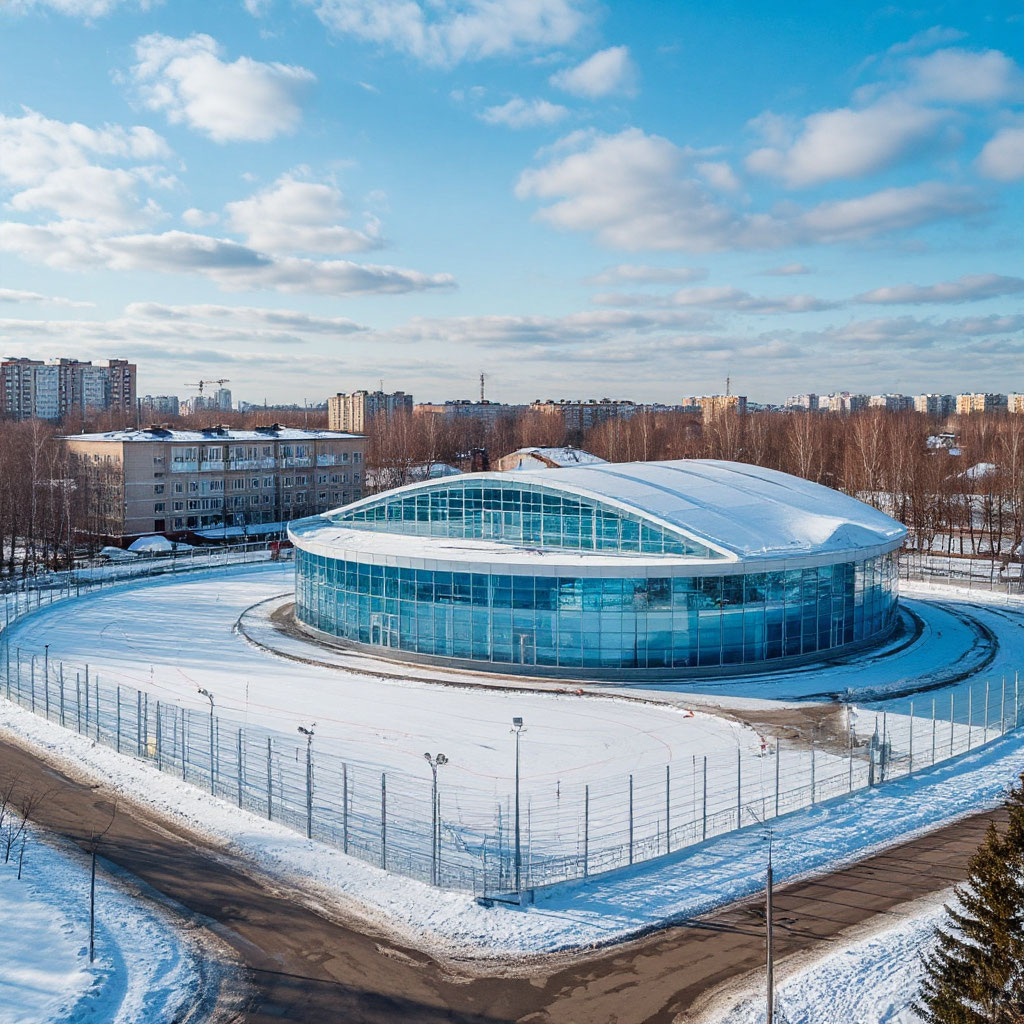
The construction of an ice palace is a complex engineering process that requires the use of the most advanced technologies and equipment. The heart of any ice arena is its cooling system, which ensures that the ice remains at the optimal temperature year-round. The intensive construction in Furmanov provides a unique opportunity for refrigeration equipment suppliers to showcase their cutting-edge innovations and contribute to the creation of a modern sports facility.
But what kind of industrial refrigeration equipment is necessary for the ice palace to function, and how does it work? Let's explore the main elements and their characteristics:
Chiller (refrigeration machine): This is the basis of the cooling system. Chiller cools the coolant (most often glycol solutions or special refrigerants), which is then circulated under the ice arena.
Pipeline System: A dense network of pipelines is installed under the ice slab, through which cooled coolant is circulated. These pipes are typically made of high-density polyethylene (HDPE) or stainless steel, which are resistant to low temperatures and corrosion.
Automatic Control System (ACS): The ACS controls and regulates the entire cooling system by monitoring the temperature of the ice, coolant, and ambient air. It allows you to automatically maintain the set parameters, optimize energy consumption, and prevent accidents.
Glycol concentrate: It serves as a coolant that circulates in the cooling system and removes heat from the ice slab. The use of glycol helps to lower the freezing point of the coolant and prevent it from freezing at low temperatures.
Heat recovery system: Many modern ice rinks use a heat recovery system to utilize the heat generated by cooling the ice for space heating, water heating, or other purposes. This significantly improves the energy efficiency of the facility and reduces operating costs.
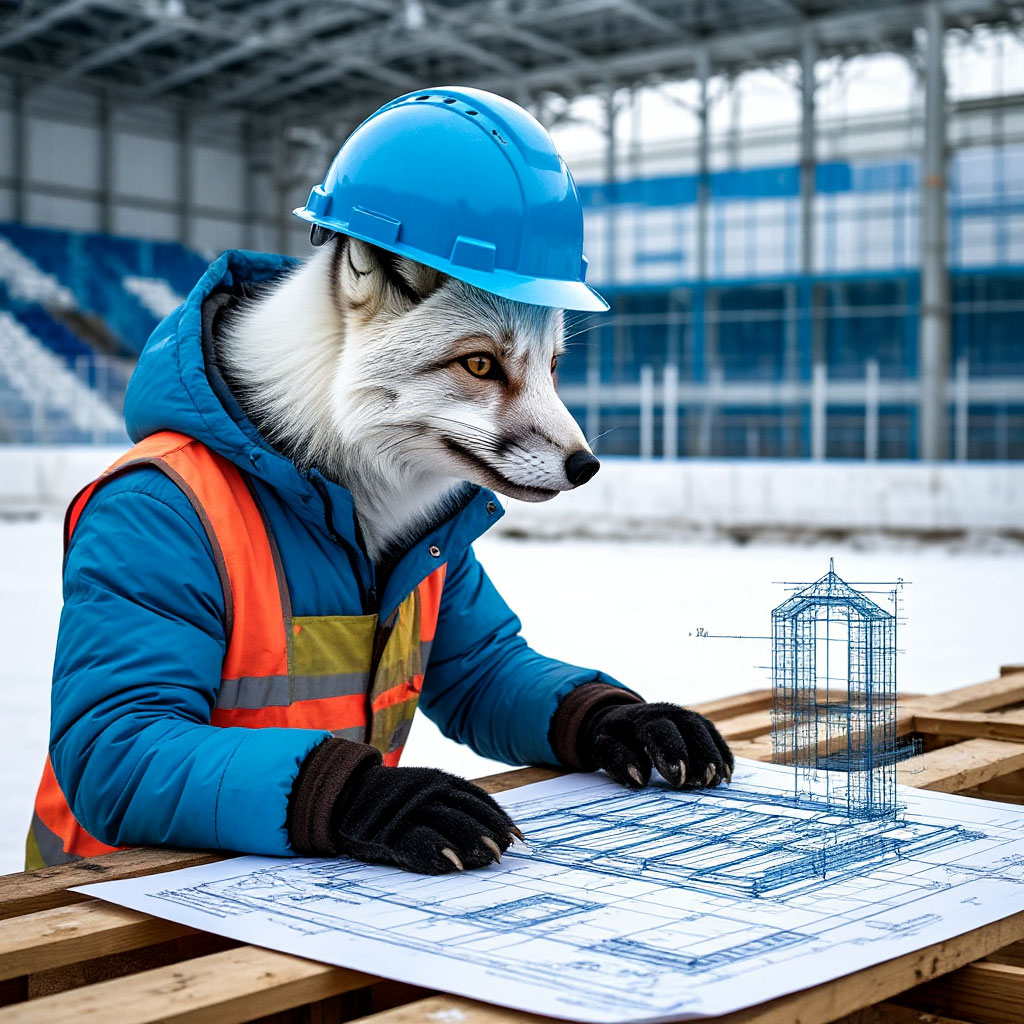
The construction of the Ice Palace in Furmanov is not only the realization of a dream for sports development, but also an incentive for the development of innovations in the field of industrial refrigeration equipment. Companies that are ready to offer modern and energy-efficient solutions will have a unique opportunity to contribute to the creation of this landmark facility and strengthen their position in the market. The appearance of the Ice Palace will become a catalyst for the development of sports and recreation in Furmanov, as well as open up new prospects for the cold industry in the Ivanovo region.




In December 2025, Copeland—a global leader in compressor manufacturing—unveiled a new development: a CO₂ scroll compressor featuring Dynamic Vapor Injection (DVI) technology. This milestone marked a significant step in the evolution of industrial refrigeration equipment, as the combination of the natural refrigerant CO₂ and an advanced vapor injection system opens up new possibilities for enhancing energy efficiency, reducing operating costs, and meeting environmental regulations.
 Выберите размер контейнера: Температурный режим: Новый или Б/У: | Прайс-лист на рефрижераторные контейнеры Вы выбрали: 40 футовые, низкотемпературные, новые 
| ||||||||||||||||||||||||||||||||||||||||||||||||||||




 Telegram

