
Ensuring the continuity of the "refrigeration chain" is one of the key challenges for the food and pharmaceutical industries, both globally and in Russia, especially considering the vast territory and extensive logistics routes.
In 2019, the Russian government approved a plan of measures to create a digital automated system for monitoring the transportation of perishable goods based on the ERA-GLONASS (ASM ERA) system. This system interacts with the Federal State Information System in the Field of Veterinary Medicine (FGIS VetIS).
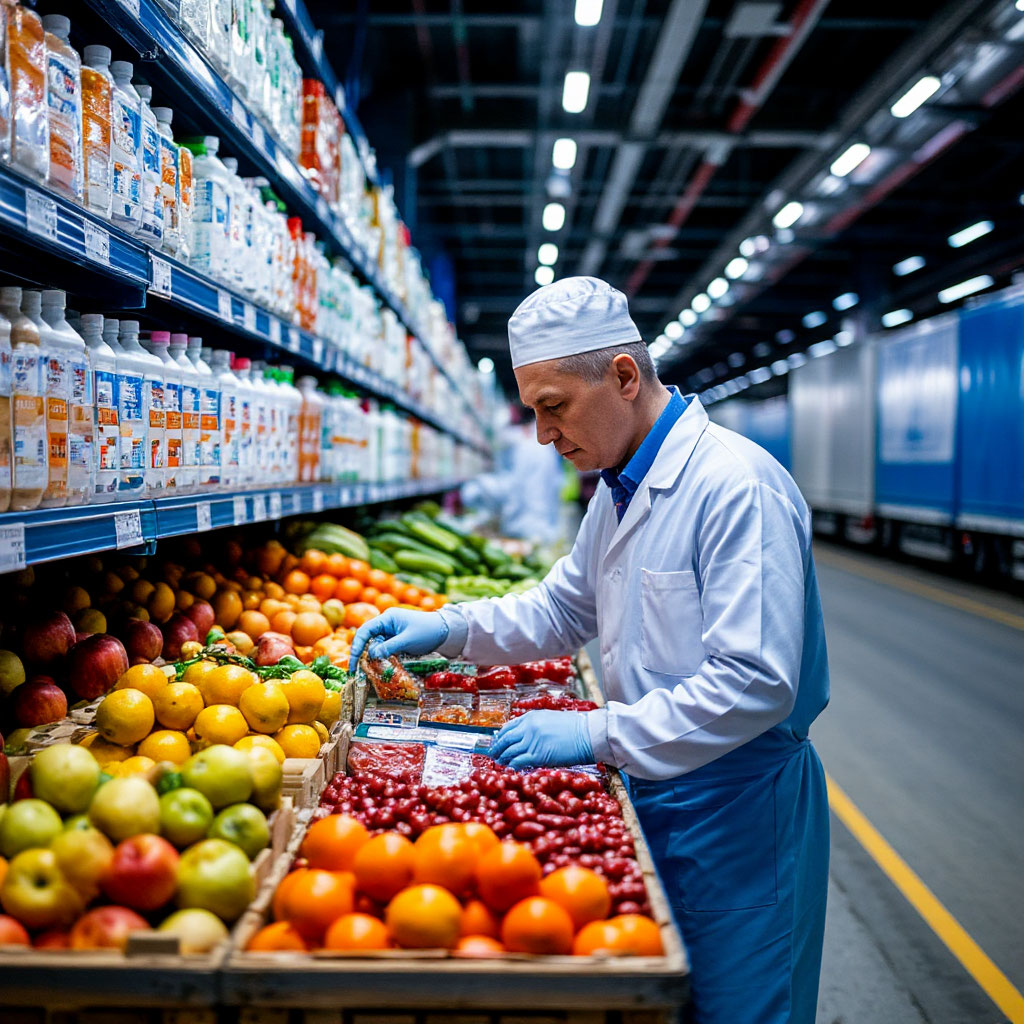
The development of a digital automated system for tracking the "refrigeration chain" during the transportation of perishable food products is aimed at maintaining the specified temperature regimes and humidity levels in accordance with the regulatory requirements of Rospotrebnadzor and Rosselkhoznadzor, as well as at implementing the principles of HACCP.
The use of "cloud-based" automated monitoring technologies is a universal and optimal solution for ensuring the safety of refrigerated cargo, minimizing the impact of the human factor.
Analysis of the market situation
There are more than 300,000 refrigerated vehicles in Russia (over 7,000,000 in the world). The railway fleet of refrigerated cars and containers consists of about 10,000 units. According to statistics, between 30% and 50% of refrigerated vehicles are in poor condition and have been in use for more than 15 years.
The standard temperature monitoring equipment is faulty or does not undergo timely calibration in more than 25% of cases. Data transmission to external monitoring systems is carried out in less than 7% of cases.
The monitoring systems offered by the world's leading refrigeration equipment manufacturers are often closed and local in nature. The reliability of the data obtained raises concerns, and the data itself is typically not accessible for government oversight.
Less than 1% of the functional standard equipment is certified and included in the State Register of Measuring Instruments of the Russian Federation.
More than 10% of shipments are carried out in violation of the temperature regime due to negligence or intentional actions by drivers, regardless of the equipment's condition.
Taking into account the annual increase in the fleet of refrigerated vehicles (more than 3%, about 10,000 units) and the inevitable disposal of worn-out equipment, the demand for new refrigerated vehicles may increase to 20,000-25,000 units per year.
Problems of transportation of perishable goods
The main goal of implementing the system is to prevent the consumer from receiving low-quality products in accordance with national and internal regulations.
The process of transporting, for example, fish products from a fishing vessel to a distribution center of a retail chain involves many risks of temperature violations.
A number of problems are related to the deterioration of refrigeration equipment (loss of tightness, malfunction of compressors, and absence or failure of temperature sensors), as well as to the deliberate actions of carriers (saving fuel for autonomous refrigeration units).
However, the carrier's fault is not always obvious. During transportation by rail, the temperature may be maintained, but the cargo may not have been sufficiently frozen on the ship before being loaded into the refrigerated container. As a result, maintaining the required ambient temperature does not allow the cargo to reach the desired freezing point, leading to irreversible changes.
Continuous monitoring at every stage of transportation allows for the division of responsibility and the identification of the perpetrator of the violation.
"Loading quality"
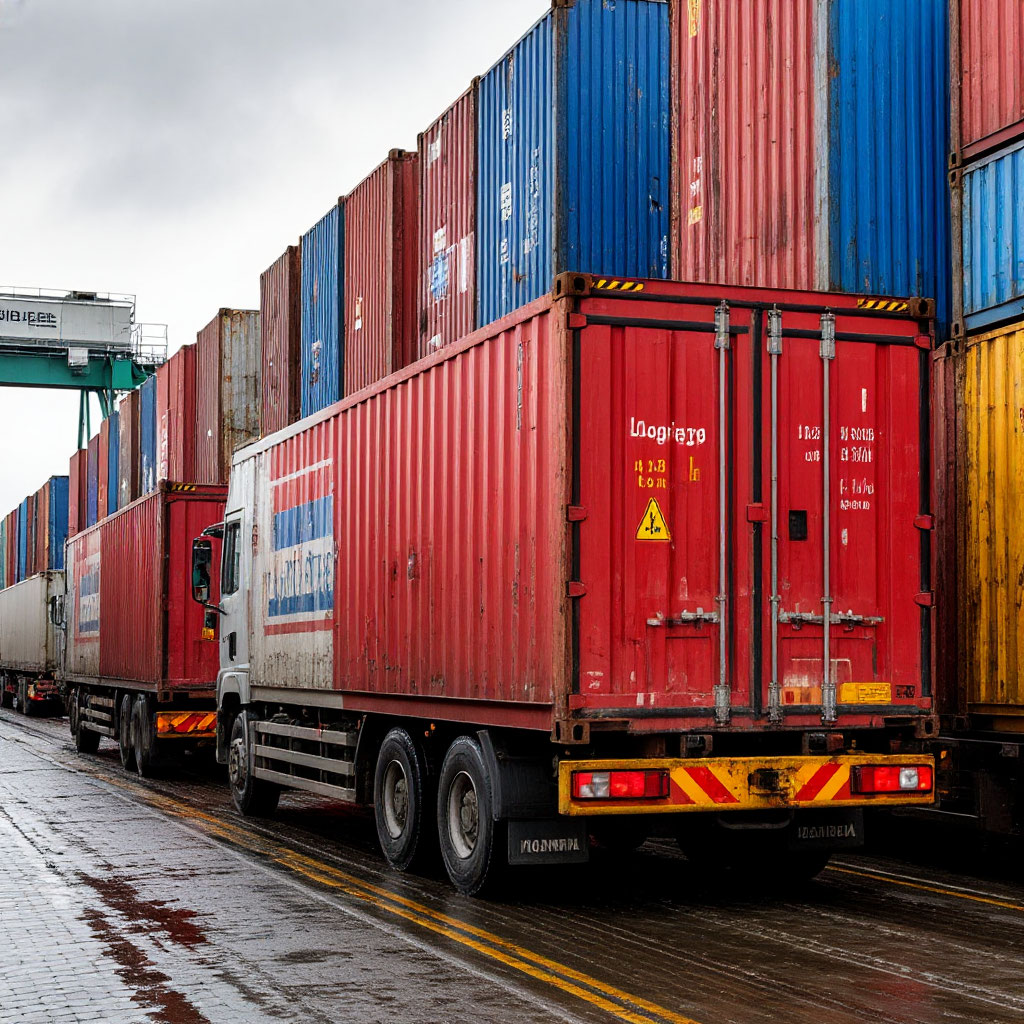
There are also standards for the duration of loading products from the hold to the refcontainer. However, in practice, this process may be delayed due to the absence of a loader operator or veterinarian, late delivery of transport or containers, as well as due to the lack of preliminary preparation of the refcontainer (freezing).
In addition, the cargo may be loaded too tightly against the walls, ceiling, or doors, which prevents the circulation of cooled air.
How do I take measurements?
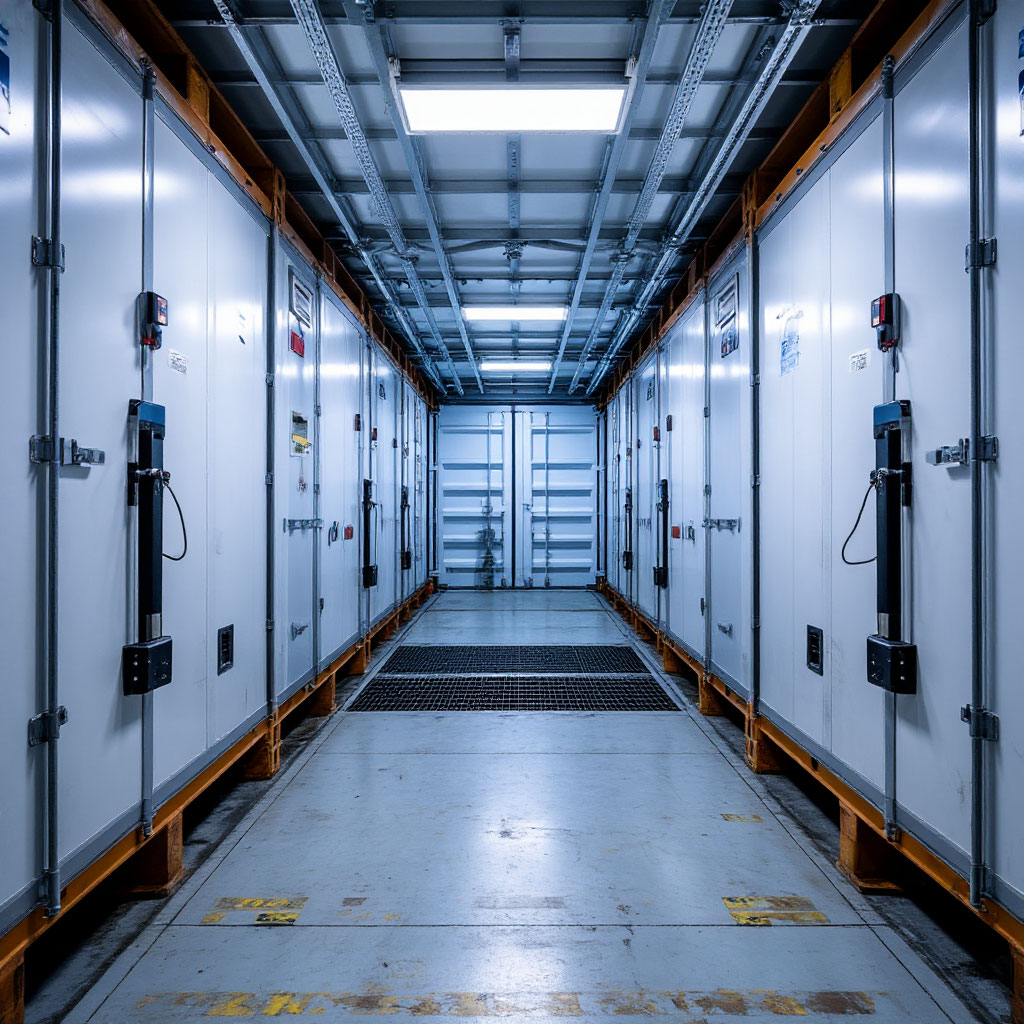
During the pilot tests conducted by RD Group LLC, various types of autonomous sensors were tested, placed in different parts of the refrigerated container: on the walls, ceiling, between pallets, on the evaporator and inside the cargo. The difference in the readings of these sensors reached several degrees. In addition, the defrosting (defrostation) mode of the evaporator leads to a temporary increase in temperature, which is recorded by the sensor, which does not always indicate the heating of the cargo itself.
Questions about the number and type of sensors, their location, the interpretation of the data, and the need for averaging must be addressed given the limited time available for research and development.
It is obvious that the temperature sensors used must be included in the State Register of Measuring Instruments and must be verified in a timely manner. The data transmitted by these sensors to the sealing device must be protected by cryptographic means to prevent tampering.
What to do? Possible solutions
Modern market conditions require carriers to continuously monitor transportation conditions automatically. Each transport company must create a system of organizational and practical measures that ensure optimal temperature conditions at all stages of transportation.
The use of wireless mobile devices for measurement and data transmission simplifies the installation and dismantling of the system. The optimal control tool is the navigation seal, an electronic ZPU.

Real steps of state regulation
Since 2020, Russian Railways has been conducting pilot projects to control the transportation of perishable products in real time under the supervision of the Ministry of Transport, the Federal Service for Veterinary and Phytosanitary Surveillance, the Federal Agency for Fishery, the Federal Service for Surveillance on Consumer Rights Protection and Human Wellbeing, and other agencies. The Association of Food Sector Organizations (ASORPS) and GLONASS JSC were the initiators of the system's creation and the experiments.
The main goal of the experiment is to identify the actual transportation situation and develop algorithms for automated control of the "refrigeration chain" using specialized devices.
The experiment involves carriers with refrigeration equipment and manufacturers of electronic control devices.
The purpose of the system is to automatically detect violations of the transportation regime, promptly notify the relevant parties (the sender, the carrier, and the recipient), and, if it is impossible to influence the situation, to arrest and dispose of the cargo.
Digital control eliminates the need for multiple" physical " inspections of cargo by veterinary services.
Control is carried out using autonomous electronic locking and sealing devices (ELSD) installed on transport. These devices monitor the location, condition of locking mechanisms, poll temperature and humidity sensors and transmit data to the monitoring server.




In December 2025, Copeland—a global leader in compressor manufacturing—unveiled a new development: a CO₂ scroll compressor featuring Dynamic Vapor Injection (DVI) technology. This milestone marked a significant step in the evolution of industrial refrigeration equipment, as the combination of the natural refrigerant CO₂ and an advanced vapor injection system opens up new possibilities for enhancing energy efficiency, reducing operating costs, and meeting environmental regulations.
 Выберите размер контейнера: Температурный режим: Новый или Б/У: | Прайс-лист на рефрижераторные контейнеры Вы выбрали: 40 футовые, низкотемпературные, новые 
| ||||||||||||||||||||||||||||||||||||||||||||||||||||




 Telegram

