
Detailed analysis of the impact of the largest data center construction project in Dagestan

Icon PreviewIcon PreviewTelegramIcon Preview

The construction of the largest Tier III data processing center (DPC) in the North Caucasus in the Khasavyurtovsky District of Dagestan, with an investment of 5 billion rubles, is a significant impetus for the development of high-tech infrastructure projects in the region. This project will not only become a "digital hub" but also create significant demand for complex engineering systems, with industrial refrigeration equipment being a key component. For companies involved in the production and supply of such equipment, this DPC presents new opportunities and requirements.
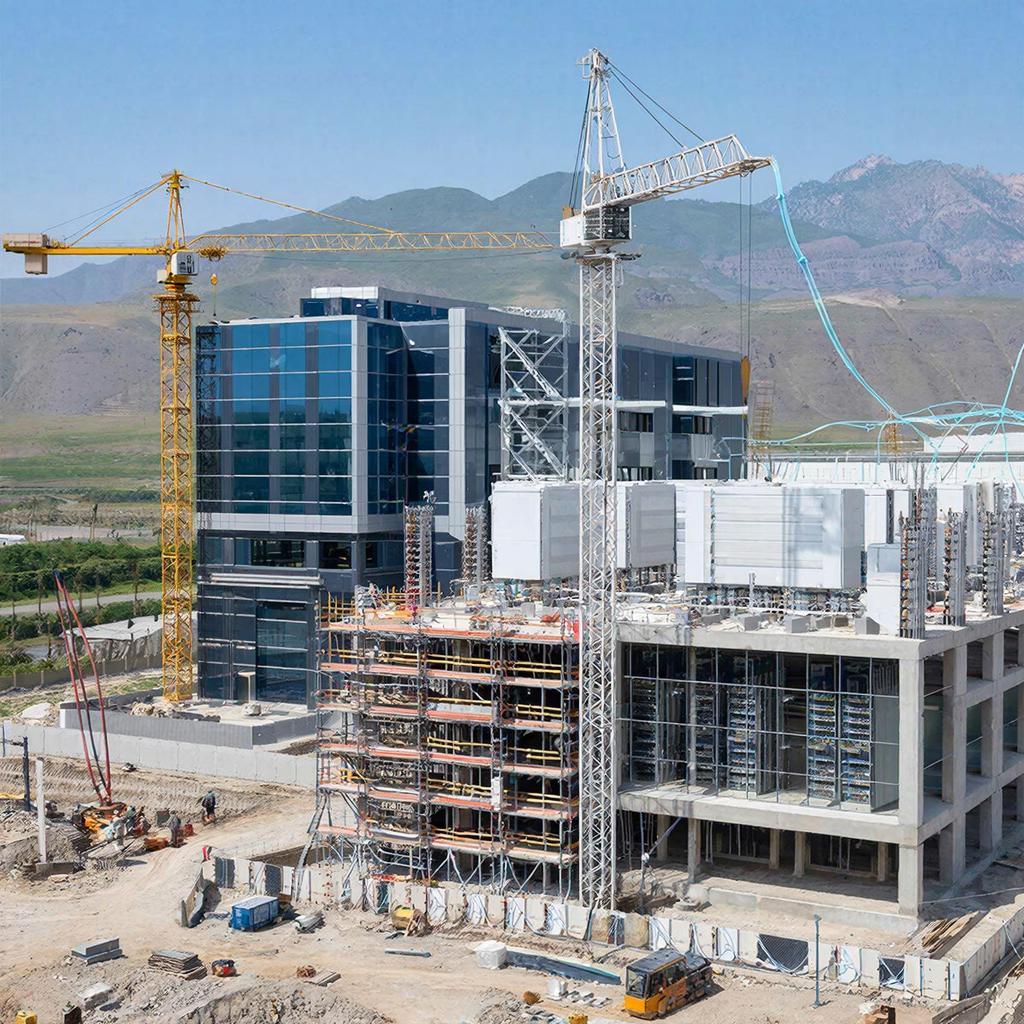
The impact on refrigeration equipment manufacturers and suppliers will be multifaceted:
  1. Growth in order volume: A project with a scale of 440 racks (220 + 220) requires highly reliable high-capacity cooling systems. This is a direct commercial challenge for major market players who can offer comprehensive solutions.
  2. Specialization and Adaptation: The conditions in Dagestan, taking into account the climate and potential energy efficiency requirements, may require the adaptation of standard solutions. Companies that can offer systems optimized for the region will have a competitive advantage.
  3. Long-term service maintenance: Certification according to Uptime Institute Tier III standards implies extremely high requirements for reliability and availability (99.982%). This means that long-term contracts for maintenance, monitoring, and repair of refrigeration systems must be concluded, creating stable income for the service departments of suppliers.
  4. Reputational effect: Participation in such a prominent and technologically complex project enhances the company's status in the market and serves as a significant case study for further sales, particularly in relation to other facilities within the national project "Big Data Economy."

Industrial refrigeration equipment used in Tier III data centers and its functions

The main task of refrigeration equipment in a data center is to maintain a strictly specified temperature and humidity regime in the server rooms to ensure the uninterrupted operation of IT equipment and prevent overheating. The following types of systems and equipment are used:

  1. Precision air conditioners (internal chillers):

    • Function: Precise (precision) temperature and humidity control (±0.5°C), 24-hour operation, and high reliability.
    • Features: Power from 20 kW to 100 kW or more; air or water cooling; redundant components (compressors, fans); low noise level; ability to integrate with data center automation systems.
    • Application: The main source of cold supply is located directly in the server rooms. A project with 440 racks will require many such units distributed across the process modules.
  2. Free Cooling systems:

    • Function: Using cold outdoor air (during winter and transitional periods) for cooling without using compressors, which significantly reduces energy consumption.
    • Specifications: Can be implemented through heat exchangers (dry coolers) or special precision air conditioning modules; require analysis of the region's climate (potentially effective in the Khasavyurt region).
    • Application: An energy-efficient addition to the main system that reduces data center operating costs.
  3. External refrigeration machines (chiller units):*

    • Function: Production of chilled water or liquid for supply to indoor precision air conditioners.
    • Specifications: Power from hundreds of kW; located outside the main building (on the technical site); water-cooled or air-cooled condensers; high coefficient of performance (COP); often with backup units to meet Tier III.
    • Application: A central cooling source for the entire data center or its large sections.
  4. Refrigerant distribution systems (pump groups, pipelines, and automation):

    • Function: Transportation of refrigerated liquid between external chillers and internal precision air conditioners.
    • Features: Dual pump groups for uninterrupted operation; sophisticated piping system with thermal insulation; intelligent pressure and temperature control systems.
    • Application: A necessary link between external and internal cooling.

For the data center in Dagestan, given its location on a key fiber-optic line and its focus on working with big data, the most likely solution is a hybrid system: precision water-cooled air conditioners connected to external chillers, complemented by a free cooling system to improve energy efficiency. All components will be Tier III-redundant, which means that critical elements will be doubled to ensure continuous operation even during scheduled maintenance or a single failure.

Thus, the Dagestan data center project not only stimulates the market for industrial refrigeration equipment, but also requires suppliers to offer high-tech, reliable, and regionally adapted comprehensive solutions, which could have a long-term impact on the development of the entire sector in the Southern Federal District.


ADVANTAGES
OF WORKING
WITH US
YOU COOPERATE
WITH ONE
COMPANY
You do not need to spend your time on engagement and negotiations with different contractors and suppliers.
EVERYTHING HAPPENS
IN TIME AND EXACTLY
ACCORDING TO THE PLAN
A long-term operational experience and collaborations guarantee delivery to the customer and installation right on time.
WE SAVE YOUR MONEY
IN A CRISIS WITHOUT
SACRIFICING QUALITY
We have reasonable prices, and we produce some types of equipment by ourselves, offering you the best prices.
Over 10 years of activity, hundreds of Russian companies, from large corporations to small cafes, have become clients of the company.
Copeland launches CO₂ compressor with DVI technology

In December 2025, Copeland—a global leader in compressor manufacturing—unveiled a new development: a CO₂ scroll compressor featuring Dynamic Vapor Injection (DVI) technology. This milestone marked a significant step in the evolution of industrial refrigeration equipment, as the combination of the natural refrigerant CO₂ and an advanced vapor injection system opens up new possibilities for enhancing energy efficiency, reducing operating costs, and meeting environmental regulations.

16
sep 2026






