
Construction of the X5 Logistics Hub in Adygea

Icon PreviewIcon PreviewTelegramIcon Preview

The signing of an agreement at the 2025 Caucasus Investment Forum between Logistic Center Adygea 6 LLC (Romex Group) and the republic's authorities marked the launch of one of the largest logistics projects in southern Russia. The construction of a 104,600-square-meter warehouse for the needs of X5 Retail Group, with an investment of 7.15 billion rubles and a planned completion date of 2026, will not only create 200 jobs and strengthen the regional economy, but also have a significant impact on the entire sector of related industries. This impact will be particularly evident in the production and engineering of industrial refrigeration equipment.
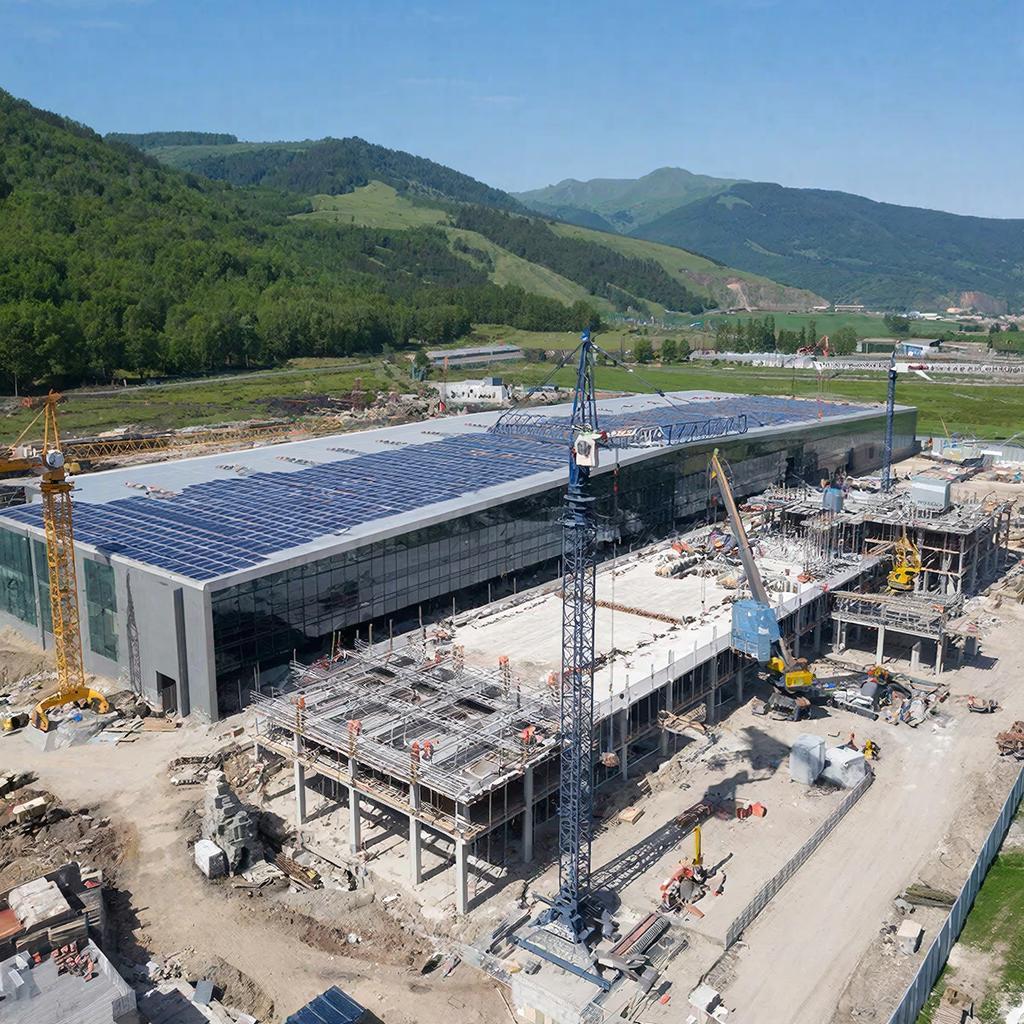
The implementation of such an object inevitably creates a large, technologically complex order for the leading players in the refrigeration market. Companies such as Frigoglass, Ingka, Polymerkholod, or international giants like Carrier, Bitzer, and GEA will have the opportunity to participate in the comprehensive equipment of a modern distribution center. The project will require not just the supply of individual units, but the development of integrated climate solutions for diverse product flows. This means multi-month contracts for design, installation, commissioning, and subsequent service, which will significantly increase the contractors' order book and strengthen their expertise in large-scale logistics.

A warehouse for food and non-food products, similar to the one in Adygea, is a complex organism with differentiated temperature zones. It requires an entire arsenal of specialized refrigeration equipment to function effectively.
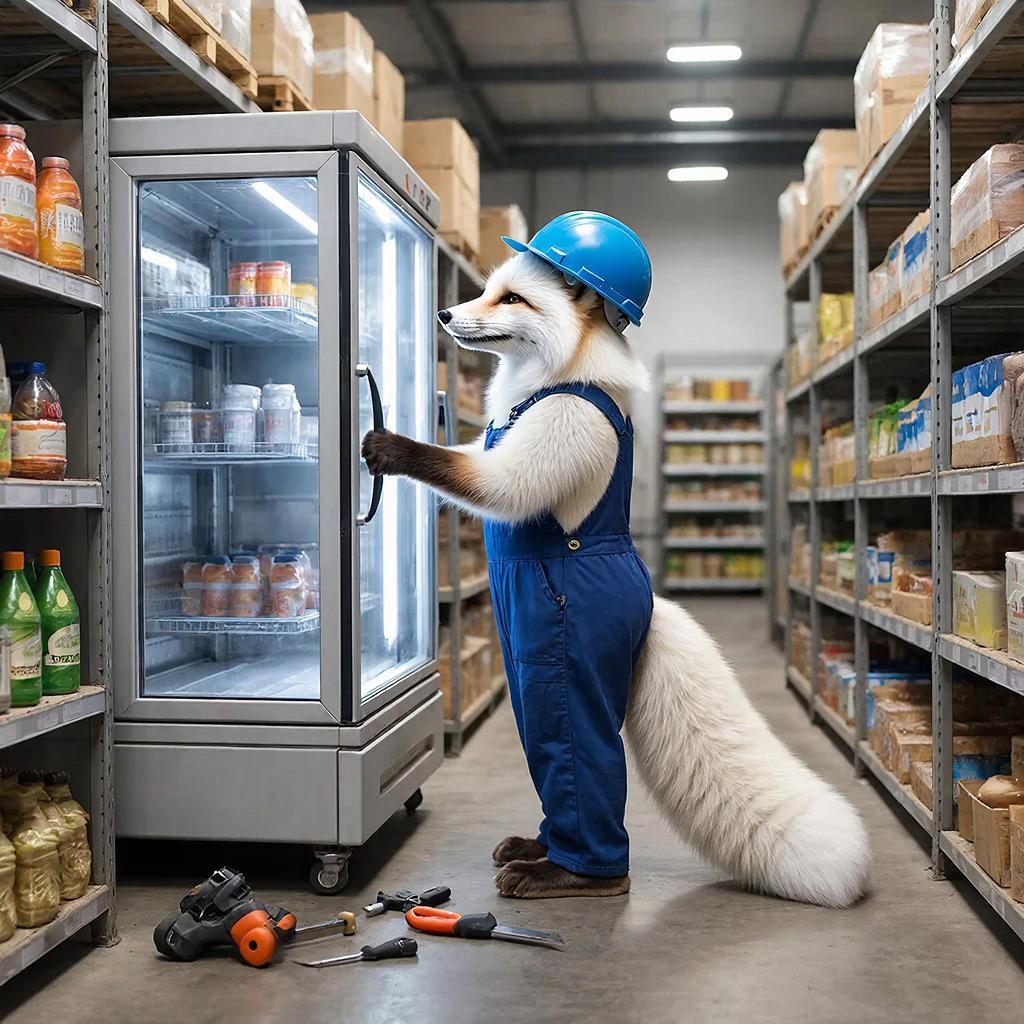
  • Refrigerated rooms (medium-temperature and low-temperature). This is the basis for storing perishable products. They create isolated volumes with a specified microclimate. For dairy products, sausages, and ready-to-eat food, rooms with a temperature range of 0°C to +4°C are used. For frozen products (meat, fish, semi-finished products, and ice cream), low-temperature rooms with a range of -18°C to -25°C are required. The chamber structures are prefabricated sandwich panels with high-performance polyurethane insulation, which ensures minimal heat loss.
  • Refrigeration units (unit sections). This is the "heart" of the system that maintains the temperature in the chambers. Industrial compressor-condenser units (CCU) are used in such facilities, often in split or multi-split configurations. Key features: high energy efficiency (class A++, A+++), reliability for year-round operation, precise temperature control, and remote monitoring. Today, eco-friendly freons (R448A, R449A) or natural refrigerants such as CO₂ (in cascade systems) are increasingly used as refrigerants, which is especially important for reducing the carbon footprint of an object.
  • Supply ventilation systems with cooling for non-food storage areas. Although the non-food group (household chemicals, paper, and textiles) does not require freezing, stable conditions are critical for many of its items, including temperature (typically between +10°C and +20°C) and, most importantly, humidity control. Central air conditioning and dehumidification systems are used to prevent moisture buildup, packaging corrosion, or mold growth.
  • Shock freezing systems (if there is a pre-sale preparation area). If the warehouse provides for repackaging or pre-packing of products, it may be necessary to have equipment for quickly bringing the products to the required temperature. Shock freezing preserves the cellular structure and quality of the product.
  • Refrigeration tunnels (dock shelters) and flexible curtains in loading and unloading areas. This is equipment for maintaining the cold chain at critical points, such as docks. It creates an air or plastic barrier between the warehouse's interior and the outside, minimizing cold leakage when the gates are open, resulting in direct energy savings.

Thus, the construction of the X5 logistics center in Adygeysk will not only serve as a driver for the development of the republic's transport infrastructure, but will also become an important locomotive project for domestic and international suppliers of high-tech refrigeration equipment. The project sets new standards for quality and complexity in the entire logistics industry of the Southern Federal District, raising the bar for energy efficiency, reliability, and digitalization of warehouse climate systems.


ADVANTAGES
OF WORKING
WITH US
YOU COOPERATE
WITH ONE
COMPANY
You do not need to spend your time on engagement and negotiations with different contractors and suppliers.
EVERYTHING HAPPENS
IN TIME AND EXACTLY
ACCORDING TO THE PLAN
A long-term operational experience and collaborations guarantee delivery to the customer and installation right on time.
WE SAVE YOUR MONEY
IN A CRISIS WITHOUT
SACRIFICING QUALITY
We have reasonable prices, and we produce some types of equipment by ourselves, offering you the best prices.
Over 10 years of activity, hundreds of Russian companies, from large corporations to small cafes, have become clients of the company.
Copeland launches CO₂ compressor with DVI technology

In December 2025, Copeland—a global leader in compressor manufacturing—unveiled a new development: a CO₂ scroll compressor featuring Dynamic Vapor Injection (DVI) technology. This milestone marked a significant step in the evolution of industrial refrigeration equipment, as the combination of the natural refrigerant CO₂ and an advanced vapor injection system opens up new possibilities for enhancing energy efficiency, reducing operating costs, and meeting environmental regulations.

16
sep 2026






