
The start of construction of a mining data center with a capacity of over 100 MW by Mining Space in the energy-abundant region of the Far East marks not only a new stage in the development of Russia's digital infrastructure, but also creates a significant ripple effect for related industries. One of the key beneficiaries of this project is the companies specializing in the production and supply of industrial refrigeration equipment. The construction of such a large-scale facility will require comprehensive cooling solutions, leading to an increase in demand for high-tech products and services in this field, stimulating both local players and international suppliers.
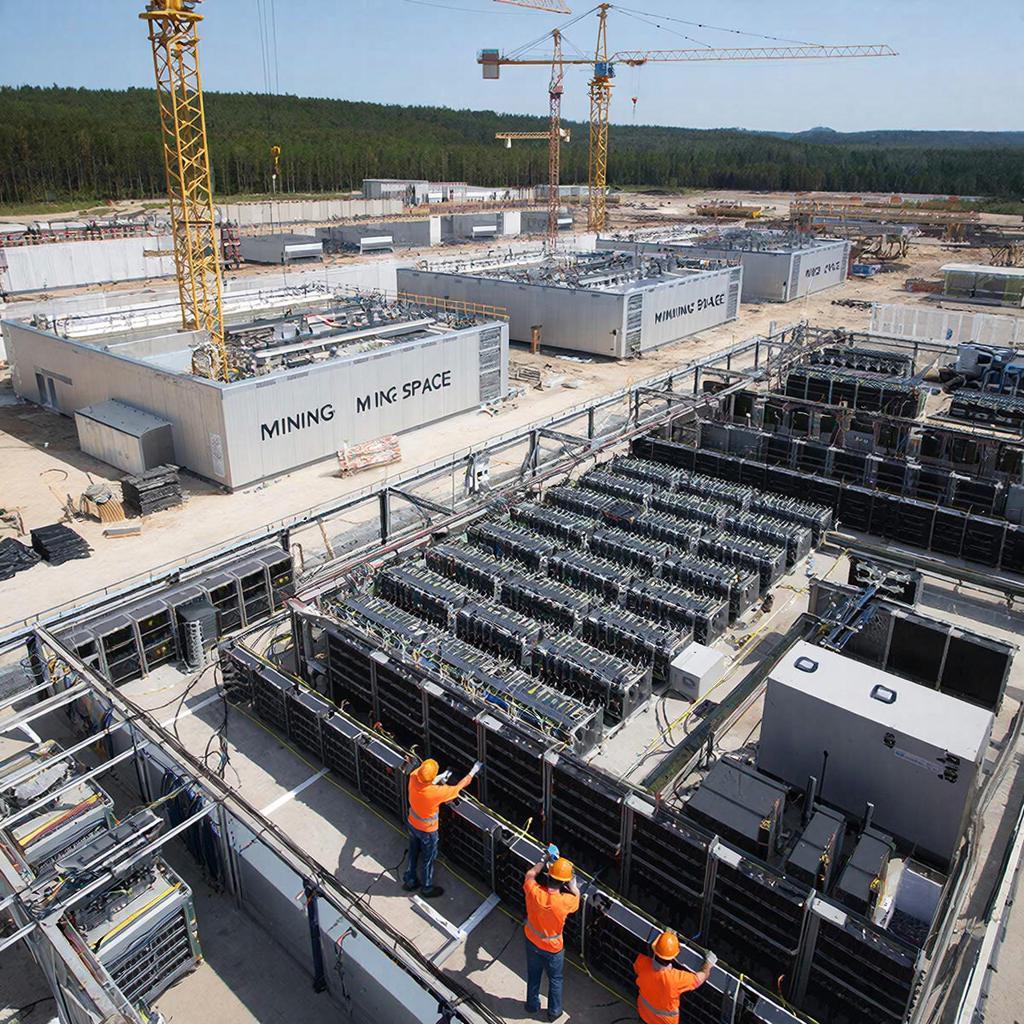
For energy-intensive data centers like the Mining Space project, efficient heat dissipation is a critical task that directly affects the reliability and profitability of the operation. The implementation of such facilities in regions with harsh climates but excessive generation creates a specific demand for equipment that can operate sustainably in these conditions and optimize energy consumption, which is already a major expense.
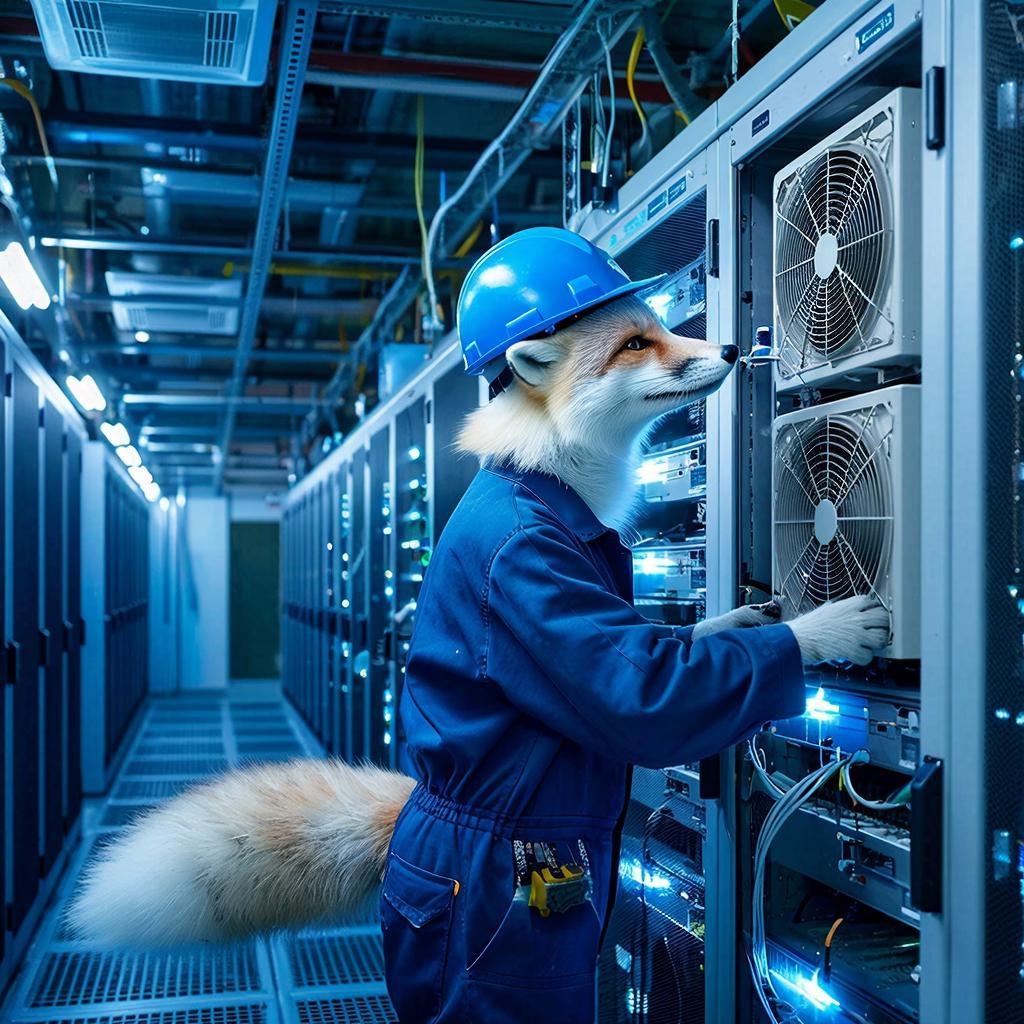
Modern data centers use a cascade of different cooling systems, each with its own function.
Chillers (water cooling machines).
Precision air conditioners (PCs).
Free Cooling systems.
Liquid coolers for direct cooling (Liquid Cooling).
Cooling towers (dry and evaporative).
The construction of the Mining Space data center with a capacity of 100+ MW will not only load regional power grids and create IT jobs, but also act as a catalyst for the development of the high-tech industrial refrigeration segment in Russia, boosting innovation and the localization of production of critical components for the energy-efficient digital infrastructure of the future.




In December 2025, Copeland—a global leader in compressor manufacturing—unveiled a new development: a CO₂ scroll compressor featuring Dynamic Vapor Injection (DVI) technology. This milestone marked a significant step in the evolution of industrial refrigeration equipment, as the combination of the natural refrigerant CO₂ and an advanced vapor injection system opens up new possibilities for enhancing energy efficiency, reducing operating costs, and meeting environmental regulations.
 Выберите размер контейнера: Температурный режим: Новый или Б/У: | Прайс-лист на рефрижераторные контейнеры Вы выбрали: 40 футовые, низкотемпературные, новые 
| ||||||||||||||||||||||||||||||||||||||||||||||||||||




 Telegram

