
The approval by the authorities of the Voronezh Region of a large-scale project to build a deep microbiological grain processing plant with an investment of 29 billion rubles has become a significant event not only for the agro-industrial and biochemical sectors, but also for related industries. In particular, the implementation of this project will have a significant positive impact on companies specializing in the production, supply, and installation of industrial refrigeration equipment. The creation of such a high-tech production facility focused on the production of feed amino acids (threonine and lysine) will require complex and multi-level climate and refrigeration control systems, creating a large and long-term order for specialized market players.
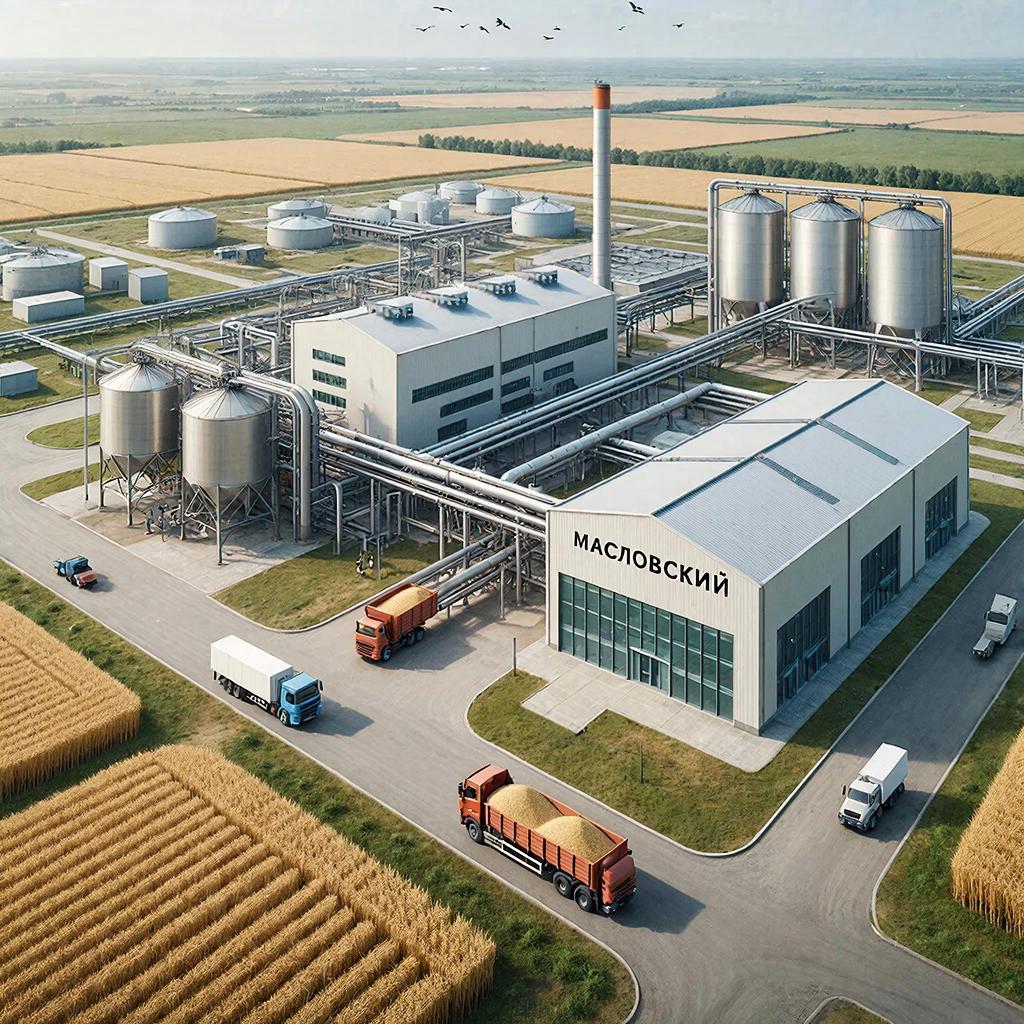
The microbiological synthesis that underpins future production is a thermosensitive process, where maintaining strictly defined temperature conditions at all stages – from fermentation to concentration and drying of the finished product – is a critical condition for the output of products with the specified standards of quality and bioactivity. Consequently, the construction of the plant in the Maslovsky Industrial Park will create a steady demand for both powerful centralized refrigeration equipment and highly specialized solutions.

Such biotechnological complexes use a wide range of industrial refrigeration equipment, each of which performs vital functions:
Industrial chillers (liquid coolers). This is the basis of the system. High-capacity chillers with air or water-cooled condensers provide continuous production of cold water or non-freezing liquids (such as propylene glycol), which are used to remove heat from process equipment. Key features include high cooling capacity (up to hundreds of kW or more), precise temperature control, energy efficiency (often with free-cooling functionality), and automated control. They maintain fermenters and bioreactors to prevent overheating of the nutrient medium and microbial cultures.
Air conditioning and ventilation systems for clean production areas (chill fancoil, central air conditioners). It is mandatory to maintain strict microclimate parameters (temperature, humidity, air purity) in the fermentation halls and in the product extraction and drying areas. Precision systems are used that can maintain the specified conditions around the clock with minimal deviations.
Refrigeration units for vacuum evaporation and crystallization systems. The stages of amino acid concentration and isolation often require operation under vacuum at low temperatures. To create and maintain the required temperature level in the heat exchangers of these systems, glycol or ammonia refrigeration units of the medium and low temperature stages are used.
Refrigerated warehouses and storage rooms for finished products. Although feed amino acids are often supplied in dry form, certain storage conditions (constant temperature and low humidity) are necessary to maintain their quality. For this purpose, warehouses with adjustable microclimates are designed, equipped with industrial refrigeration units and air cooling systems.
Dry cooling towers (dry coolers). In modern energy-efficient projects, they can be used in hybrid schemes with chillers to provide free cooling (free-cooling) during the cold season, significantly reducing the energy consumption of the main refrigeration machine.
Thus, the Voronezh project, implemented by the alliance of TATNEFT, Eppen Investments Group and Agritek Bio, becomes not only part of the diversification strategy of the oil company, but also an important driver for domestic and international suppliers of high-tech engineering equipment. It stimulates the development of competencies in the design and integration of complex refrigeration systems for biotechnology, creating a precedent for future similar enterprises in Russia. The successful implementation of this plant can set new standards for equipment for the industry and strengthen cooperation between agro-bioprocessors and manufacturers of specialized climate equipment.




In December 2025, Copeland—a global leader in compressor manufacturing—unveiled a new development: a CO₂ scroll compressor featuring Dynamic Vapor Injection (DVI) technology. This milestone marked a significant step in the evolution of industrial refrigeration equipment, as the combination of the natural refrigerant CO₂ and an advanced vapor injection system opens up new possibilities for enhancing energy efficiency, reducing operating costs, and meeting environmental regulations.
 Выберите размер контейнера: Температурный режим: Новый или Б/У: | Прайс-лист на рефрижераторные контейнеры Вы выбрали: 40 футовые, низкотемпературные, новые 
| ||||||||||||||||||||||||||||||||||||||||||||||||||||




 Telegram

