
A project is being born on the site of the former Sredneuralsk Poultry Farm, which promises to become a growth point for an entire segment of the economy. The new food cluster in Sredneuralsk, which is designed to accommodate 52 residents and create 5,000 jobs in the region, includes the construction of a meat processing plant, a ready-to-eat food factory, and a multi-temperature warehouse. However, behind the dry numbers of budgets (50 billion rubles in investments) and timelines (5-7 years), there is a tremendous demand for technologies that are essential for the production and storage of food. This includes industrial refrigeration equipment.
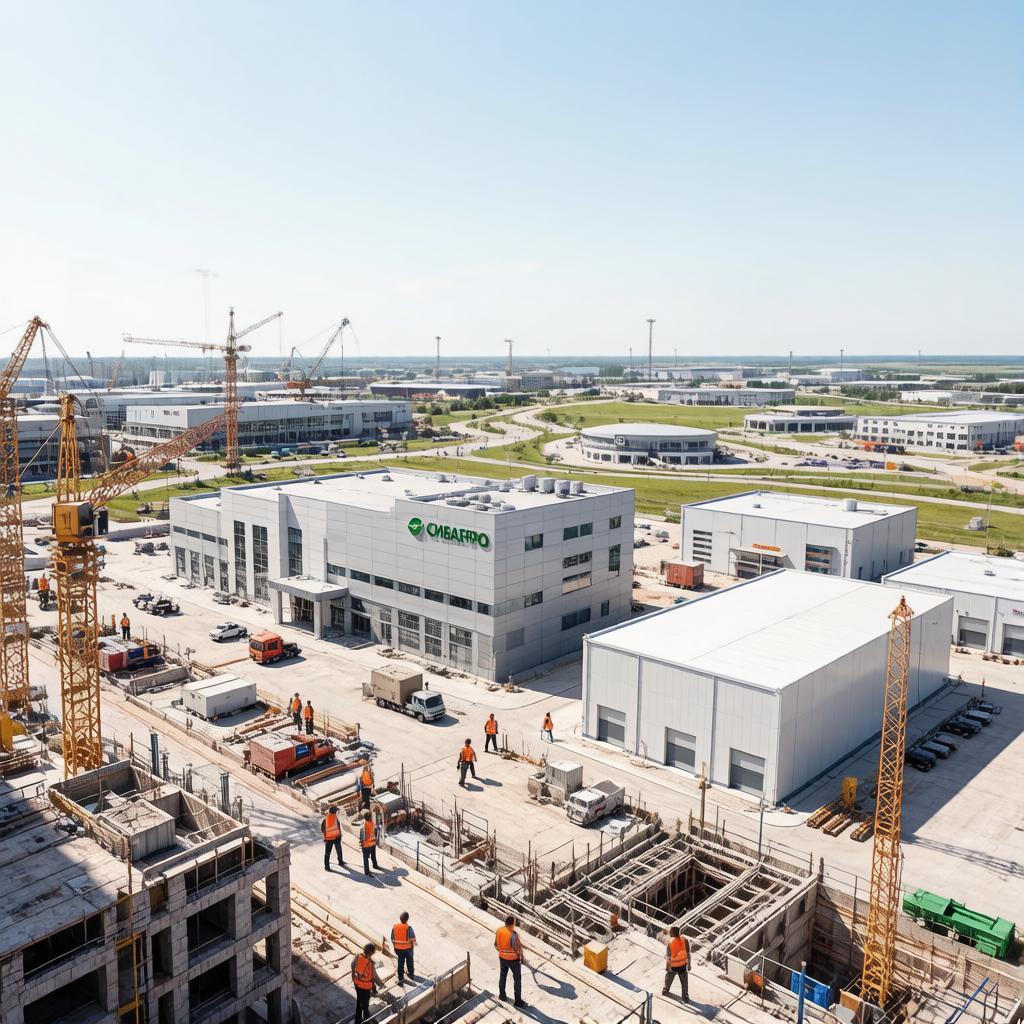
For companies operating in this niche, the launch of such a cluster is not just a separate contract. It is a systemic order that forms a portfolio of orders for years to come and sets standards for the entire region. Let's explore how the construction of an agro-park will impact the refrigeration equipment market and the solutions that will be in demand.
Market impact: from one-time deliveries to comprehensive solutions
The first and most obvious consequence is a sharp increase in demand for turnkey equipment. Unlike small-scale production facilities, a cluster of the scale of Sibagro and other residents requires not the purchase of individual refrigeration machines, but the design of a unified cooling system. This means that companies that can offer not just a compressor or evaporator, but an engineering solution that includes heat flow calculations, power selection, installation, and service support, will be the winners.
The second factor is specialization. Different residents need different temperature conditions. A meat processing plant needs cold for primary processing (0…+4°C) and shock freezing (-35…-40°C). A ready-to-eat food factory requires systems for rapid cooling of ready meals and their subsequent storage. A multi-temperature warehouse is a separate story, where one chamber can operate at -18°C and another at 0°C. This range of conditions forces equipment suppliers to adapt flexibly and offer modular, easily scalable systems.
The third aspect is the competition of technologies. Given the scale of the project (112 hectares, dozens of residents), the owners will strive for energy efficiency. In the context of high electricity tariffs, those who can offer low-energy equipment, such as variable-frequency compressors or ammonia systems with heat recovery, will benefit. This has prompted refrigeration equipment manufacturers to upgrade their product lines with green and energy-efficient solutions.
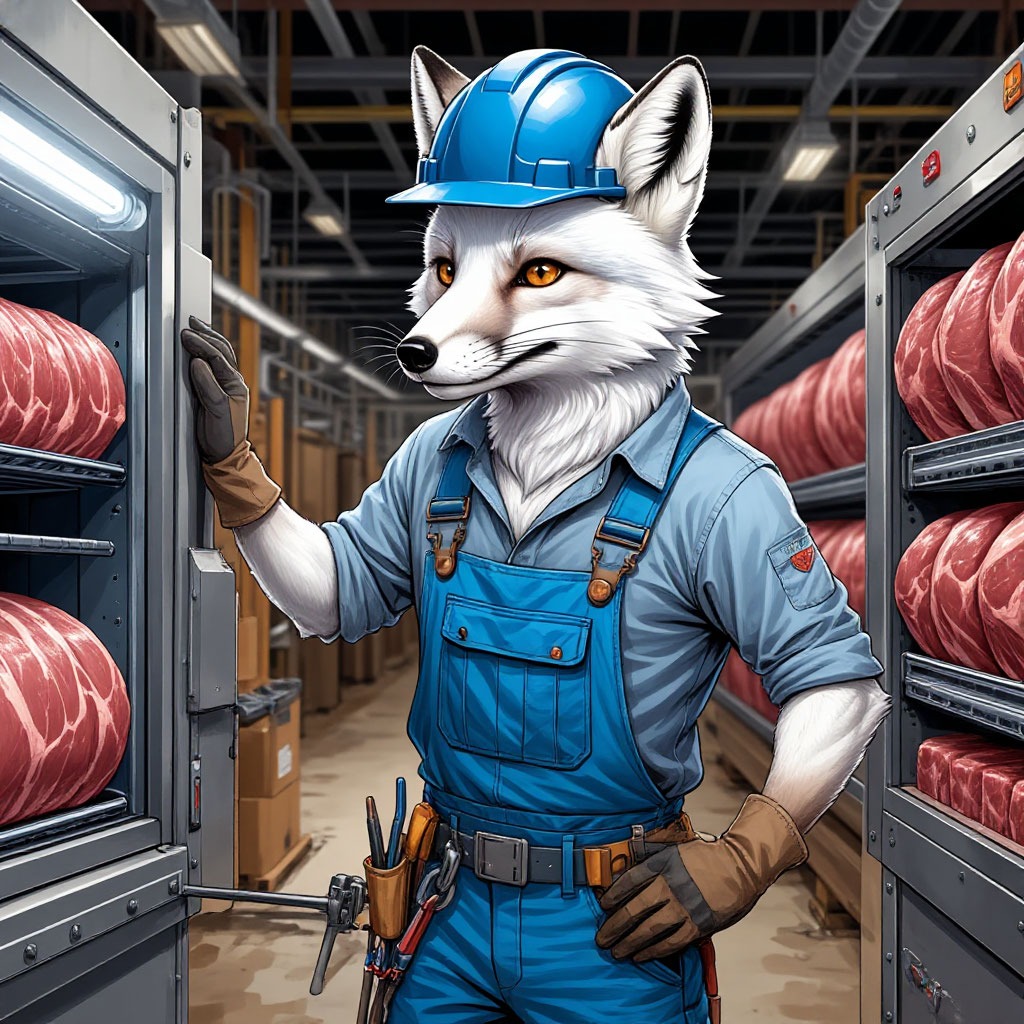
What equipment will be in demand and what are its functions?
To understand which units will be involved, let's analyze the key objects of the cluster.
1. Meat processing plant (primary processing and cutting) Here, the main load falls on the chiller systems and meat ripening chambers.
2. Ready-to-eat food factory (shock cooling and storage) This is the most technologically complex link. Here, it is not enough to simply store food; instead, it must be quickly cooled from +90°C to +3°C within a specified time.
3. Multi-temperature logistics center The heart of the entire cluster. 80% of the refrigeration capacity will be concentrated here.
4. Associated auxiliary equipment
Result
For players in the industrial refrigeration market, the construction of the agro-park in Sredneuralsk is both a challenge and an opportunity. The project will require high-level engineering work, from calculating heat inflows for 52 independent production facilities to integrating a unified monitoring system. Companies specializing in industrial systems using ammonia and freon refrigerants with screw compressors, as well as those capable of providing custom-made shock equipment, will secure long-term contracts. In the next 5-7 years, the Urals will become a testing ground for the most advanced refrigeration technologies, from energy-efficient chillers to automated warehouses with temperatures as low as -25°C.




In December 2025, Copeland—a global leader in compressor manufacturing—unveiled a new development: a CO₂ scroll compressor featuring Dynamic Vapor Injection (DVI) technology. This milestone marked a significant step in the evolution of industrial refrigeration equipment, as the combination of the natural refrigerant CO₂ and an advanced vapor injection system opens up new possibilities for enhancing energy efficiency, reducing operating costs, and meeting environmental regulations.
 Выберите размер контейнера: Температурный режим: Новый или Б/У: | Прайс-лист на рефрижераторные контейнеры Вы выбрали: 40 футовые, низкотемпературные, новые 
| ||||||||||||||||||||||||||||||||||||||||||||||||||||




 Telegram

