
Chelyabinsk is on the threshold of a large-scale sports project. The Governor of the region Alexey Teksler has officially confirmed that the reconstruction of the old Belousov Arena is considered impractical, and instead a new and more modern stadium for the Traktor hockey club will be built. The decision is dictated not only by the club's ambitions, but also by objective necessity: teams from all four leagues — the KHL, VHL, MHL and Women's Hockey League-are based in the region. The old venue will remain in use for lower-division matches and training sessions, while the main arena for KHL games will become a modern complex. Although the capacity and exact parameters have not yet been disclosed, the very fact of building such an object already triggers a powerful multiplier effect for related industries. One of the key ones is the refrigeration equipment industry.
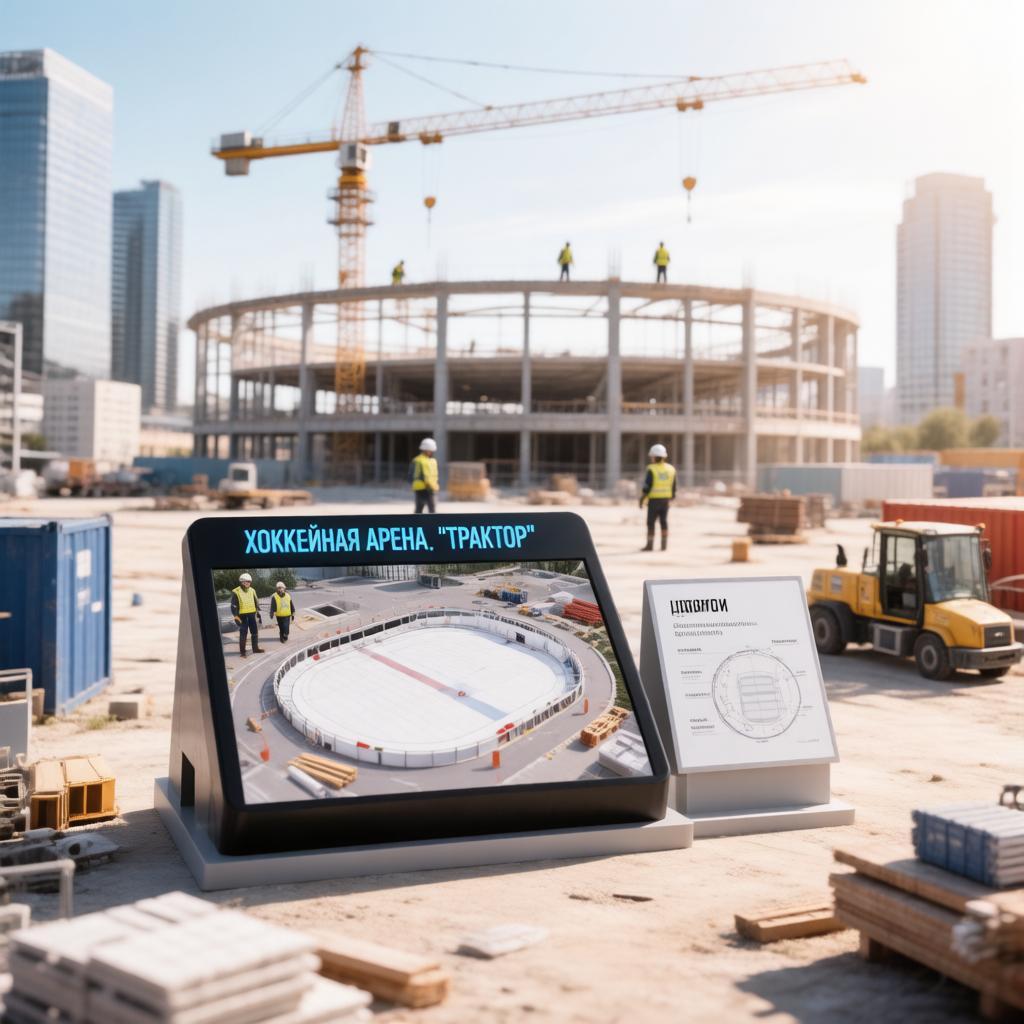
Any ice arena, especially of the KHL scale, is not just a concrete bowl and stands. It is a complex engineering organism, where maintaining ice of the required quality is a critical condition for holding matches. The demand for cooling systems in such projects is enormous, and for companies specializing in industrial cooling, the construction of the Traktor arena means new contracts, technological challenges, and the opportunity to demonstrate their solutions at a federal-level facility.
What specific industrial refrigeration equipment is used in such projects? The range is wide, and each device performs specific functions.
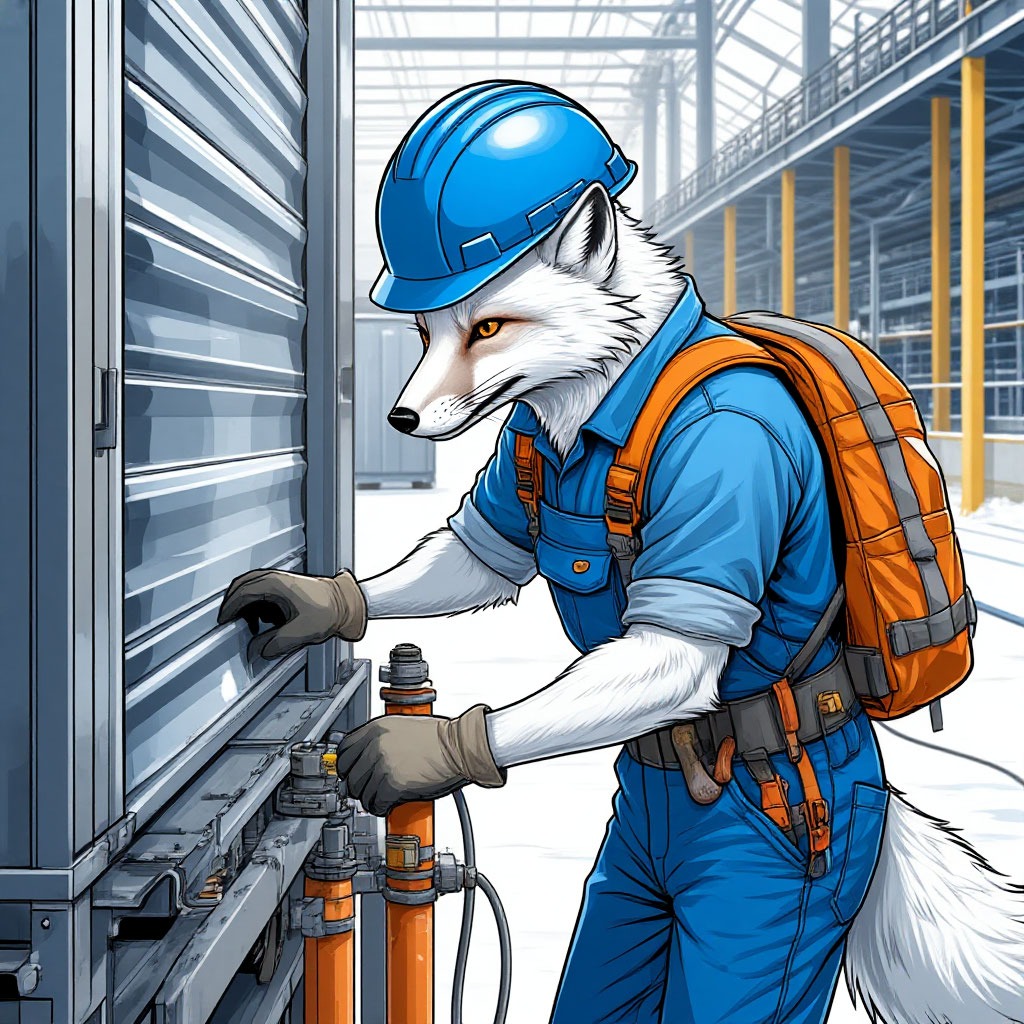
1. Central refrigeration stations (Chillers) This is the heart of the cooling system. Unlike household air conditioners, industrial chillers for ice arenas operate on glycol solutions or brine (calcium/sodium chloride) and cool the heat carrier to temperatures ranging from -12°C to -20°C.
2. Ice field tube system (Piping System) This is not equipment in the usual sense, but a key element supplied by specialized companies. These are kilometers of pipes through which brine or glycol flows.
3. Air dehumidification and cooling system (Climate Control) The ice in the arena begins to melt not because of the outside temperature, but because of the humidity in the air. The moisture condenses on the surface of the ice, making it loose and heavy. Therefore, powerful dehumidifiers will be installed on the Tractor site.
4. Freon systems for hockey boards (Cooling for Ice Rink Dasher Boards) Modern arenas are increasingly using cooling systems to directly cool the area where the puck contacts the board. This prevents ice buildup and plastic deformation.
5. Heat carrier storage and heating system (Buffer Tanks & Heat Recovery) In large arenas, not only cold is used, but also waste heat from the chiller compressors. Modern installations are equipped with heat exchangers.
For companies engaged in the supply and installation of industrial refrigeration equipment, the construction of the arena in Chelyabinsk is a multimillion-dollar order. It's not just about supplying the units. It's about engineering work, including calculating the thermal loads (taking into account the climate of the Urals with its extreme temperature fluctuations), selecting the optimal layout (central station with distribution nodes), and providing supervision and commissioning. Additionally, the arena will be operational year-round, hosting concerts and shows during the summer, with ice loading from September to May. This requires a flexible and reliable system. A chiller failure on the day of a playoff match can lead to a game postponement, which can result in serious reputational and financial losses for the club. Therefore, equipment suppliers who can guarantee 24/7 service support in the specific conditions of the Chelyabinsk region will have a significant advantage.
In summary, the new Tractor Arena will not only serve as a growth point for the South Ural hockey community. It will also provide employment for dozens of specialized companies, including manufacturers of chillers, heat exchangers, dehumidifiers, and automated climate control systems. The demand for high-quality refrigeration technologies that can withstand the rigorous demands of the KHL will inevitably increase, driving the market towards more energy-efficient and environmentally friendly solutions. The project for the Chelyabinsk Arena is currently in the development phase, providing an excellent opportunity for refrigeration companies to showcase their expertise and offer innovative technical solutions.




In December 2025, Copeland—a global leader in compressor manufacturing—unveiled a new development: a CO₂ scroll compressor featuring Dynamic Vapor Injection (DVI) technology. This milestone marked a significant step in the evolution of industrial refrigeration equipment, as the combination of the natural refrigerant CO₂ and an advanced vapor injection system opens up new possibilities for enhancing energy efficiency, reducing operating costs, and meeting environmental regulations.
 Выберите размер контейнера: Температурный режим: Новый или Б/У: | Прайс-лист на рефрижераторные контейнеры Вы выбрали: 40 футовые, низкотемпературные, новые 
| ||||||||||||||||||||||||||||||||||||||||||||||||||||




 Telegram

