
In the fall of 2025, the Ministry of Industry and Trade of the Russian Federation proposed to set a restriction on the purchase of refrigeration equipment produced abroad at the expense of the budget. The draft of the relevant government act has been published for public discussion on a specialized website dedicated to publishing draft regulatory documents.
The Ministry of Industry and Trade's initiative to ban government purchases of imported refrigeration equipment, particularly refrigerated counters and display cases, as well as other refrigeration equipment, is an important step towards supporting domestic producers and ensuring Russia's technological independence. The proposed measures will undoubtedly have a significant impact on the refrigeration equipment market and the food industry as a whole.
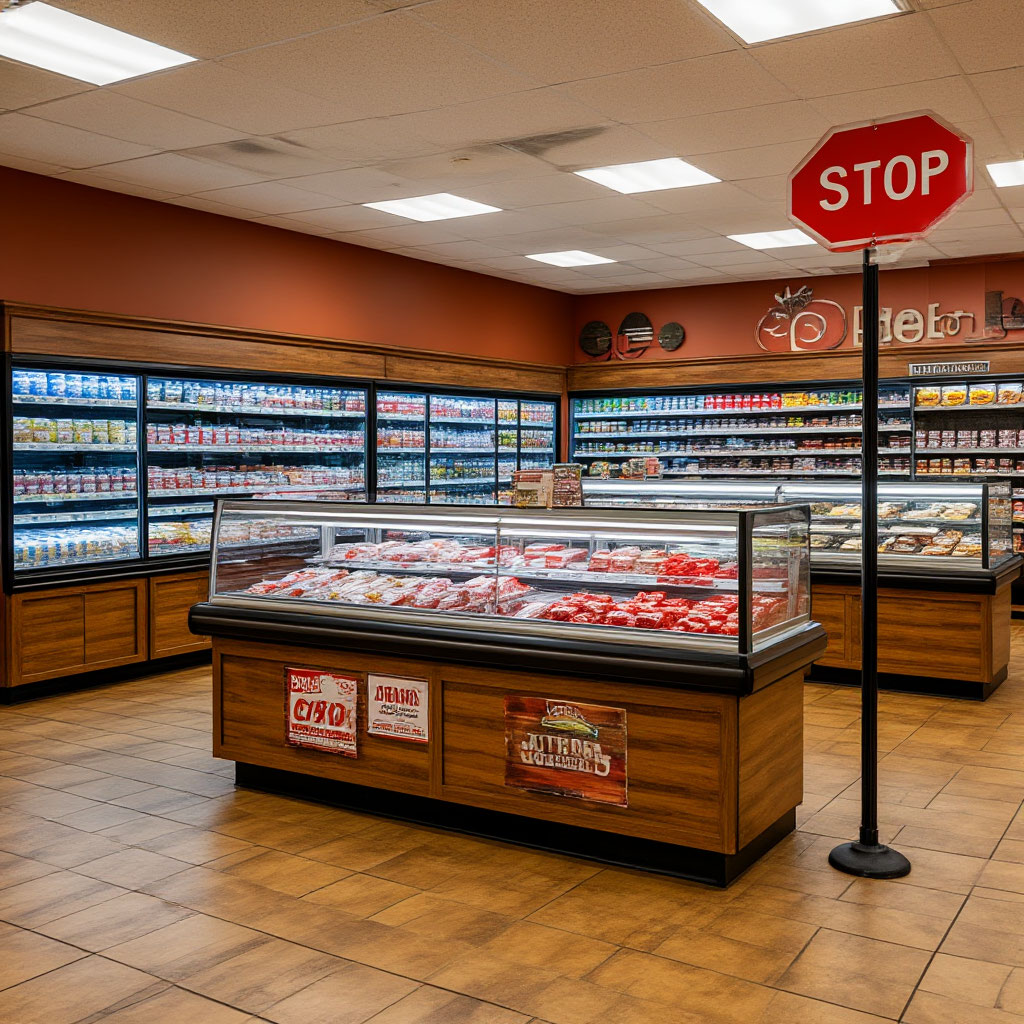
Potential benefits for Russian manufacturers:
First of all, the ban on import purchases opens up a niche for Russian manufacturers that was previously occupied by foreign competitors. Increased demand from government and municipal customers, as well as state-owned companies, will provide an incentive for expanding production, modernizing technological processes, and improving competitiveness. Russian companies will have the opportunity to increase their sales volumes, strengthen their positions in the domestic market, and potentially even expand their exports.
Secondly, investments in the development and implementation of new technologies in the field of refrigeration equipment are expected to increase. Stimulating demand for Russian products will allow companies to allocate more funds for research and development (R&D), which in turn will contribute to improving the quality and expanding the range of products offered.
Thirdly, creating favorable conditions for the development of domestic refrigeration equipment production can lead to the creation of new jobs and an increase in tax revenues. The development of related industries, such as the production of components and materials, will also receive additional impetus.
Possible risks and challenges:
Despite the obvious benefits, the ban on import purchases comes with certain risks and challenges for Russian manufacturers. First and foremost, it is crucial to consider the current level of development in the domestic industry and its ability to fully meet the demand for refrigeration equipment in the short term. If Russian companies are unable to quickly increase production volumes and offer a competitive alternative in terms of price and quality, it could lead to a shortage, resulting in higher prices and unfavorable conditions for retailers and foodservice establishments.
In addition, it is important to ensure a sufficient level of competition in the domestic market. The lack of competition from imported manufacturers can lead to a decrease in incentives for improving product quality and introducing innovations. It is necessary to create conditions in which Russian companies will be interested in constantly improving their products and services.
Finally, it is necessary to take into account possible retaliatory measures from trading partners. A ban on the import of refrigeration equipment may lead to the introduction of similar restrictions on Russian goods, which will have a negative impact on foreign trade.
Necessary measures for the successful implementation of the initiative:
In order for the Ministry of Industry and Trade's initiative to bring maximum benefits to the Russian economy, several measures need to be taken. First and foremost, it is crucial to provide government support to Russian manufacturers in the form of preferential loans, subsidies, and tax incentives. This will enable companies to attract the necessary investments to expand production and modernize their technological base.
It is also important to develop and implement training programs for the refrigeration industry. The lack of qualified professionals can be a significant obstacle to the development of the industry.
It is necessary to ensure transparency and competitiveness in the procurement of refrigeration equipment for the government. This will help to avoid abuse and corruption, as well as ensure the selection of the most advantageous offers.
Finally, it is necessary to support international cooperation and the exchange of experience in the field of refrigeration engineering. This will allow Russian companies to stay up-to-date with the latest industry developments and implement advanced technologies.
In general, the Ministry of Industry and Trade's initiative to ban government purchases of imported refrigeration equipment represents a significant opportunity for the development of domestic industry and ensuring Russia's technological independence. However, the success of this initiative largely depends on the effectiveness of measures taken to support Russian manufacturers, ensure competition in the domestic market, and prevent potential negative consequences.




In December 2025, Copeland—a global leader in compressor manufacturing—unveiled a new development: a CO₂ scroll compressor featuring Dynamic Vapor Injection (DVI) technology. This milestone marked a significant step in the evolution of industrial refrigeration equipment, as the combination of the natural refrigerant CO₂ and an advanced vapor injection system opens up new possibilities for enhancing energy efficiency, reducing operating costs, and meeting environmental regulations.
 Выберите размер контейнера: Температурный режим: Новый или Б/У: | Прайс-лист на рефрижераторные контейнеры Вы выбрали: 40 футовые, низкотемпературные, новые 
| ||||||||||||||||||||||||||||||||||||||||||||||||||||




 Telegram

