
Viktor Shkurenko, the founder and owner of the well-known Siberian trading house Shkurenko, has announced a large-scale investment project: the construction of a low-temperature warehouse for storing frozen products. The investment is estimated at 350 million rubles. This move will undoubtedly have a significant impact on the logistics and food storage market in the region, as well as revitalize related industries, particularly companies specializing in industrial refrigeration equipment.
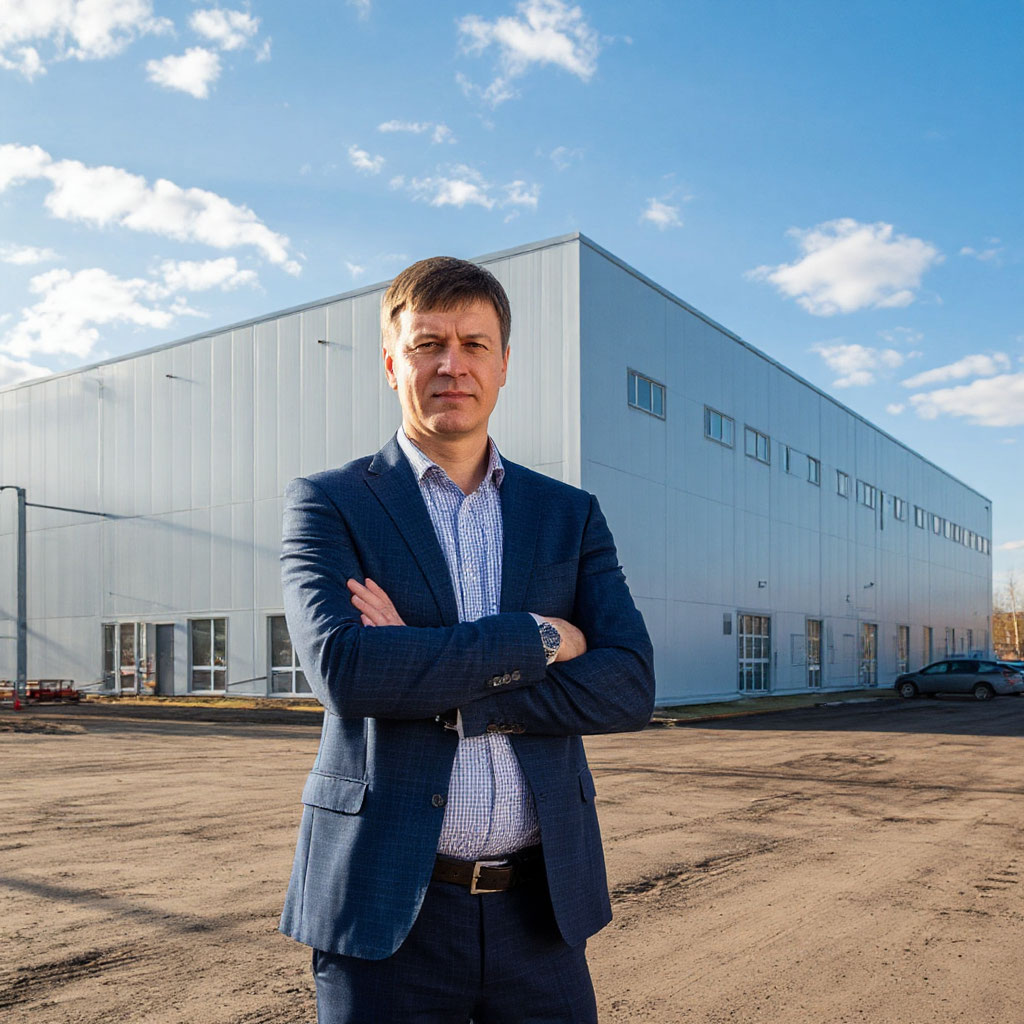
The construction of such a modern complex is not just about increasing storage space. It is about implementing advanced technologies and engineering solutions to ensure optimal storage conditions for a wide range of frozen products. Compliance with strict sanitary regulations and food safety requirements is a key aspect of the project.
Impact on the industrial refrigeration equipment market
The implementation of a project of this scale will inevitably lead to an increase in demand for industrial refrigeration equipment. A wide range of devices and systems will be required to maintain the required temperature conditions and ensure the reliable operation of the refrigerated warehouse. Companies specializing in the design, supply, and maintenance of such equipment will receive significant incentives for development. New orders for design, installation, and service will provide a boost to production capacity and create new job opportunities.
Industrial refrigeration equipment used in low-temperature warehouses
Low-temperature warehouses, such as the planned complex by Viktor Shkurenko, require the use of specialized refrigeration equipment. Let's list the main types and their characteristics:
Compressor units: The "heart" of any refrigeration system. They ensure the circulation of refrigerant and maintain low temperatures.
Air coolers (evaporators): Provide heat removal from rooms and air cooling.
Condensers: They remove heat from the refrigerant and release it into the environment.
Refrigeration chambers with thermal insulation panels: Create a sealed space with low thermal conductivity to minimize heat loss.
Automation and control systems: Provide control and regulation of all refrigeration system components.
Shock-freezing tunnels: Designed for rapid freezing of products, which helps to preserve their quality and nutritional value.
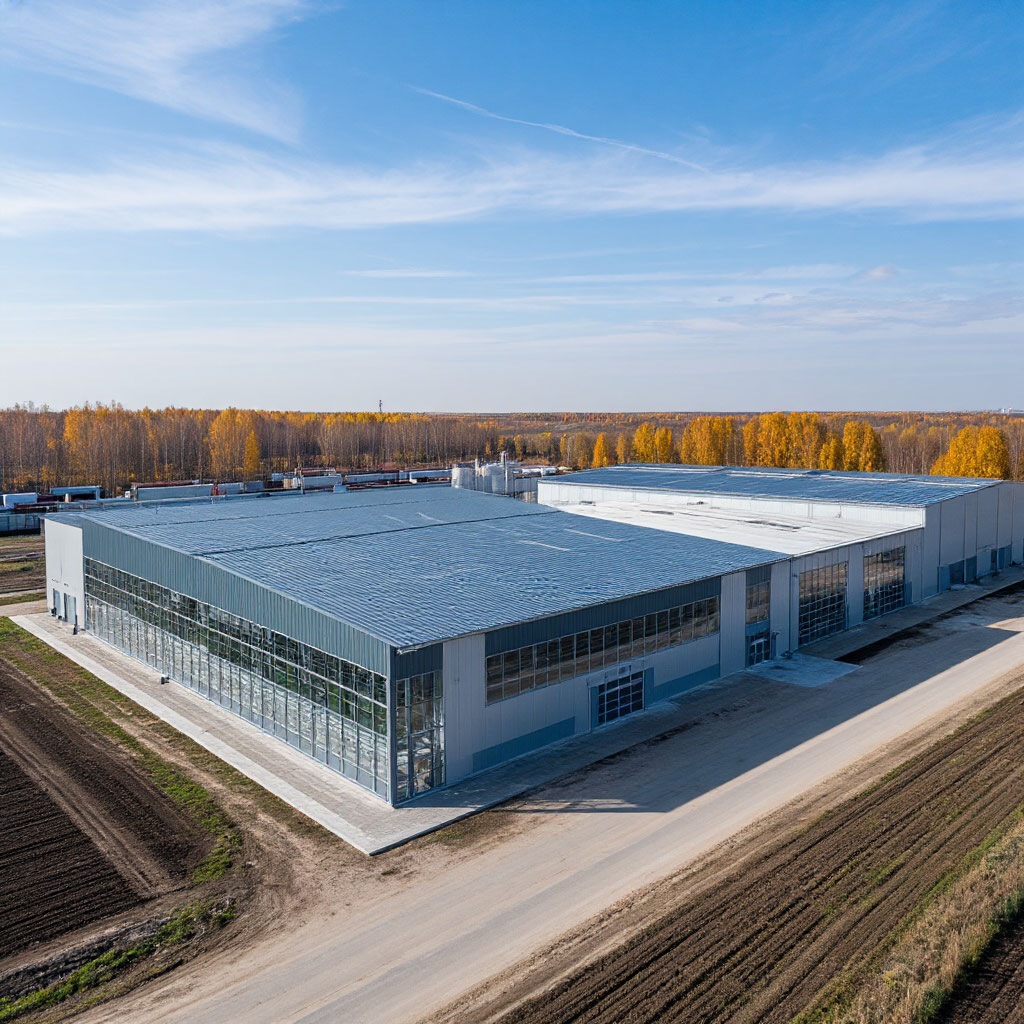
Development prospects
Viktor Shkurenko's investment in the construction of a low-temperature warehouse is not only a contribution to the development of the region's logistics infrastructure, but also an incentive for the growth of related industries. Companies involved in the production and supply of industrial refrigeration equipment will have the opportunity to expand their business and introduce new technologies. Ultimately, this will lead to improved food storage quality and the provision of fresh and high-quality products to consumers throughout the year.




In December 2025, Copeland—a global leader in compressor manufacturing—unveiled a new development: a CO₂ scroll compressor featuring Dynamic Vapor Injection (DVI) technology. This milestone marked a significant step in the evolution of industrial refrigeration equipment, as the combination of the natural refrigerant CO₂ and an advanced vapor injection system opens up new possibilities for enhancing energy efficiency, reducing operating costs, and meeting environmental regulations.
 Выберите размер контейнера: Температурный режим: Новый или Б/У: | Прайс-лист на рефрижераторные контейнеры Вы выбрали: 40 футовые, низкотемпературные, новые 
| ||||||||||||||||||||||||||||||||||||||||||||||||||||




 Telegram

