
In Rostov-on-Don, construction of a robotic logistics complex based on the North Caucasus Logistics Enterprise (SKLP) has begun on Lugovaya Street. The project, worth 700 million rubles, involves the creation of a 2,200-square-meter warehouse equipped with a fully automated control system based on domestic software. Initially, in October 2025, the investment was estimated at 1 billion rubles, but the project's optimization has led to a reduction in the budget. At the moment, the installation of load-bearing columns and enclosing structures is underway, and a contract has been signed for the supply and installation of technological equipment.
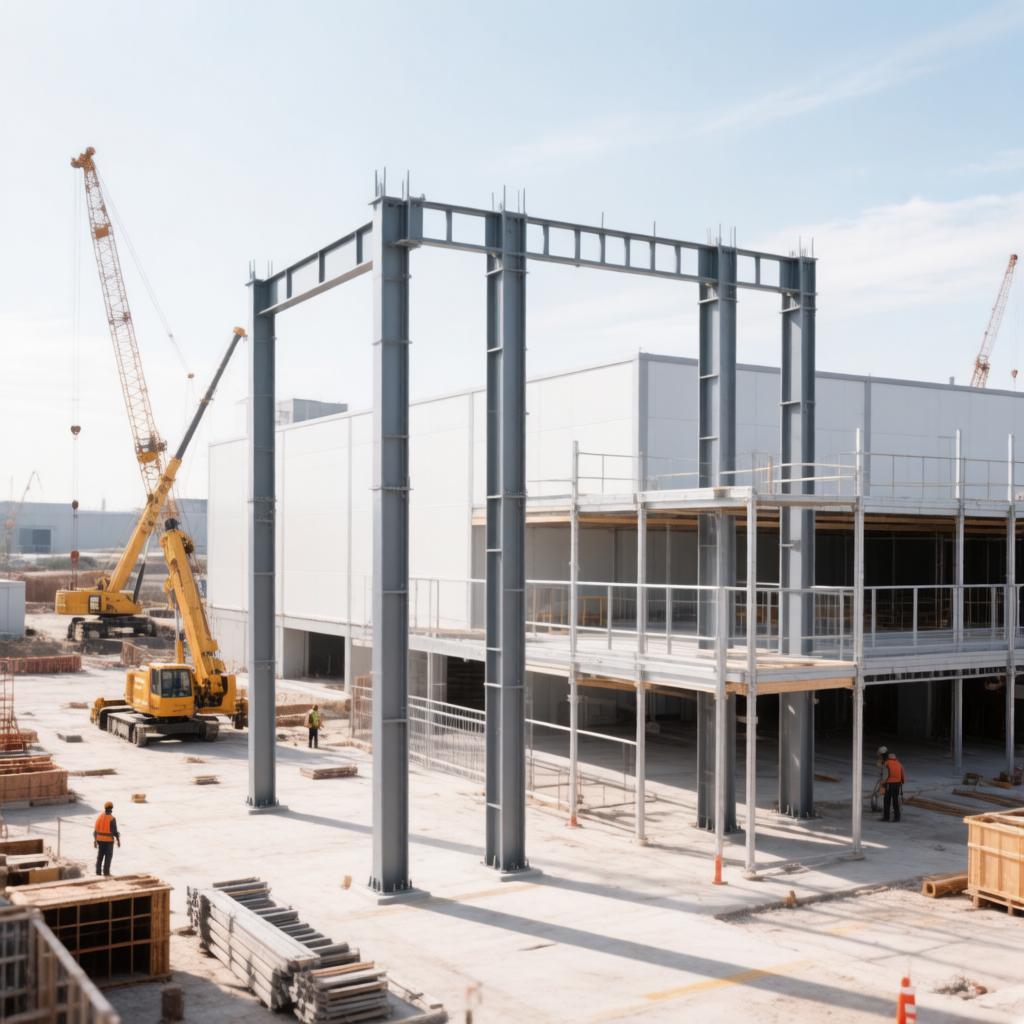
This project will be a significant event not only for the logistics industry in the region, but also for related sectors, particularly for companies that provide industrial refrigeration equipment. The impact will be multifaceted, affecting both the demand for equipment and the requirements for its specifications.
The impact of construction on industrial refrigeration equipment companies
First, the construction of a robotic warehouse will create a direct demand for refrigeration systems, as a modern logistics complex, especially one that operates with cargo in an automated mode, requires maintaining strictly defined temperature conditions. Even if the warehouse is not specifically designed for food products, it may store goods that are sensitive to temperature changes, such as pharmaceuticals, electronics, and chemicals. Therefore, companies that produce industrial refrigeration equipment will receive new orders for delivery and installation.
Secondly, robotization imposes increased requirements on the reliability and controllability of refrigeration systems. The equipment must be integrated with the overall warehouse automation system, have digital interfaces for remote control, and be able to operate without constant human presence. This encourages manufacturers to develop more intelligent and energy-efficient solutions.
Thirdly, the successful implementation of such a project in Rostov can serve as a demonstration example for other investors. If the complex proves to be effective, it may lead to new orders for similar warehouses in other cities, expanding the market for refrigeration equipment. Companies that can offer proven solutions for automated systems will gain a competitive advantage.

What industrial refrigeration equipment is used in such projects and what are its functions
The 2,200-square-meter robotic logistics complex uses several types of refrigeration equipment, each with its own function.
Thus, the construction of a robotic logistics complex in Rostov not only creates demand for industrial refrigeration equipment, but also sets new standards: intelligence, reliability, and energy efficiency. For companies operating in this field, this is an opportunity to strengthen their market position by providing modern systems that can operate in a fully automated mode.




In December 2025, Copeland—a global leader in compressor manufacturing—unveiled a new development: a CO₂ scroll compressor featuring Dynamic Vapor Injection (DVI) technology. This milestone marked a significant step in the evolution of industrial refrigeration equipment, as the combination of the natural refrigerant CO₂ and an advanced vapor injection system opens up new possibilities for enhancing energy efficiency, reducing operating costs, and meeting environmental regulations.
 Выберите размер контейнера: Температурный режим: Новый или Б/У: | Прайс-лист на рефрижераторные контейнеры Вы выбрали: 40 футовые, низкотемпературные, новые 
| ||||||||||||||||||||||||||||||||||||||||||||||||||||




 Telegram

