
The Republic of Tatarstan has approved a large-scale sports infrastructure development program, which includes the construction of 12 new indoor ice facilities by 2030. The project was announced by Tatarstan Prime Minister Alexey Pesoshin during the opening ceremony of the ice palace in the village of Karelino, Baltasinsky District, which was built at the expense of the republican budget. Russian President Vladimir Putin, who attended the event, noted that the region is demonstrating steady progress not only in the economy and social sphere, but also in the development of hockey and football. The program aims to provide each municipal district with modern ice facilities, creating a long-term foundation for the growth of professional and mass sports.
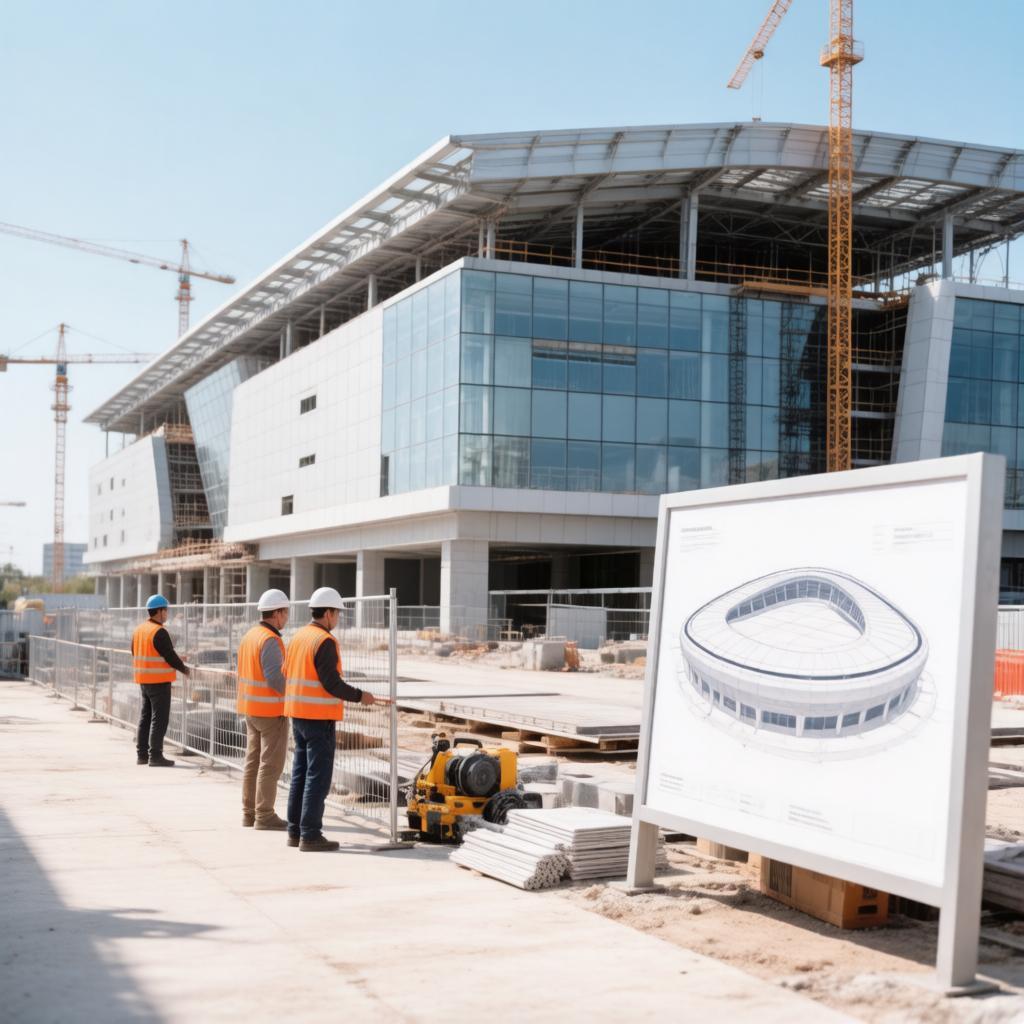
This initiative directly stimulates the market for industrial refrigeration equipment. Each new ice arena is a complex engineering facility where the cooling system is a key element that ensures the quality of the ice and the safety of the athletes. The construction of twelve facilities in a short period of time creates a steady demand for specialized equipment, its installation, and subsequent service support. This presents opportunities for companies operating in this segment to plan their supply chains in a long-term manner, enter into service contracts, and develop standard solutions tailored to specific climatic conditions and load requirements.

Industrial refrigeration equipment used in the construction of ice arenas has the following confirmed characteristics: refrigerant boiling point from minus 15 to minus 20 degrees, an inter-repair resource of at least 40 thousand hours of operation, a noise level of no more than 80-85 decibels at a distance of one meter. All components must comply with European and Russian safety standards, especially when working with ammonia, which requires the installation of gas analyzers and emergency ventilation. For supplier companies, such projects are not just a one-time deal, but an opportunity to gain a foothold in the market with the prospect of providing services throughout the entire life cycle of the facility, which can last from fifteen to twenty-five years.
Thus, the program of construction of twelve ice arenas until 2030 forms a sustainable driver for manufacturers and integrators of refrigeration equipment. It requires the supply of reliable, energy-efficient and maintainable equipment for compressor stations, ice fields, drainage and automation systems. Companies capable of offering comprehensive solutions with adaptation to regional conditions and service requirements receive a guaranteed order book for the next five to seven years, and Tatarstan receives a modern sports infrastructure available in every municipal district.




In December 2025, Copeland—a global leader in compressor manufacturing—unveiled a new development: a CO₂ scroll compressor featuring Dynamic Vapor Injection (DVI) technology. This milestone marked a significant step in the evolution of industrial refrigeration equipment, as the combination of the natural refrigerant CO₂ and an advanced vapor injection system opens up new possibilities for enhancing energy efficiency, reducing operating costs, and meeting environmental regulations.
 Выберите размер контейнера: Температурный режим: Новый или Б/У: | Прайс-лист на рефрижераторные контейнеры Вы выбрали: 40 футовые, низкотемпературные, новые 
| ||||||||||||||||||||||||||||||||||||||||||||||||||||




 Telegram

