
StroyIndustriya intends to invest 350 million rubles in the facility on Lyadovskaya Street. The project has already received priority status, which allows the investor to obtain a land plot on preferential terms. The complex is scheduled to be put into operation by the end of 2028. The territory will feature not only an ice rink, but also guest houses, as well as related infrastructure for competitions, training camps, and individual training sessions for athletes.
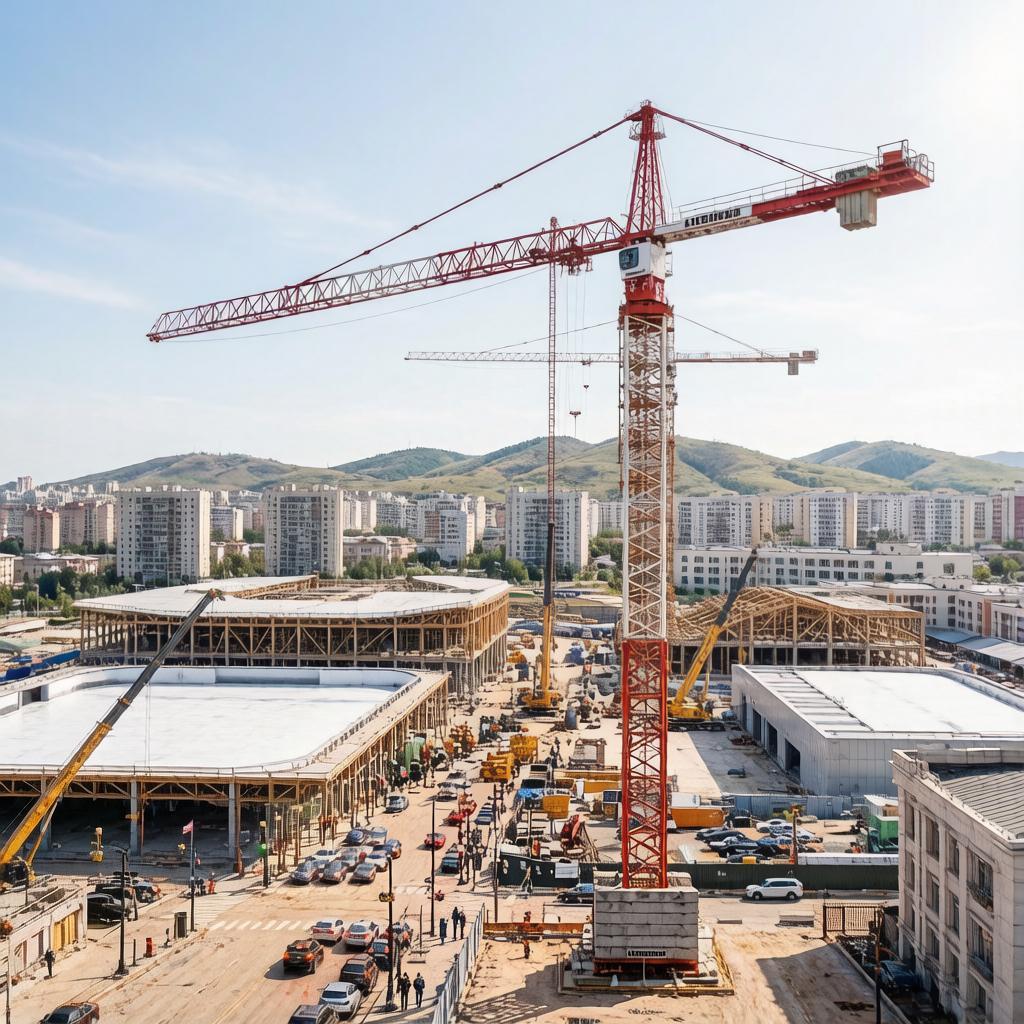
The construction of such an object will inevitably have a direct impact on companies engaged in industrial refrigeration equipment. For them, this is not just another order, but an opportunity to demonstrate the reliability and efficiency of their solutions in a highly competitive environment. As ice complexes require continuous low-temperature maintenance and precise control of ice moisture and condition, the demand for specialized equipment will increase. This will lead to a bidding war among potential contractors and suppliers, which may result in lower prices or stricter requirements for installation and service quality. In addition, the successful implementation of the project in Perm could set a precedent, encouraging other regions to invest in similar projects, which would expand the market for refrigeration equipment manufacturers. Companies that can offer comprehensive solutions, from design to annual maintenance, will have a strategic advantage.
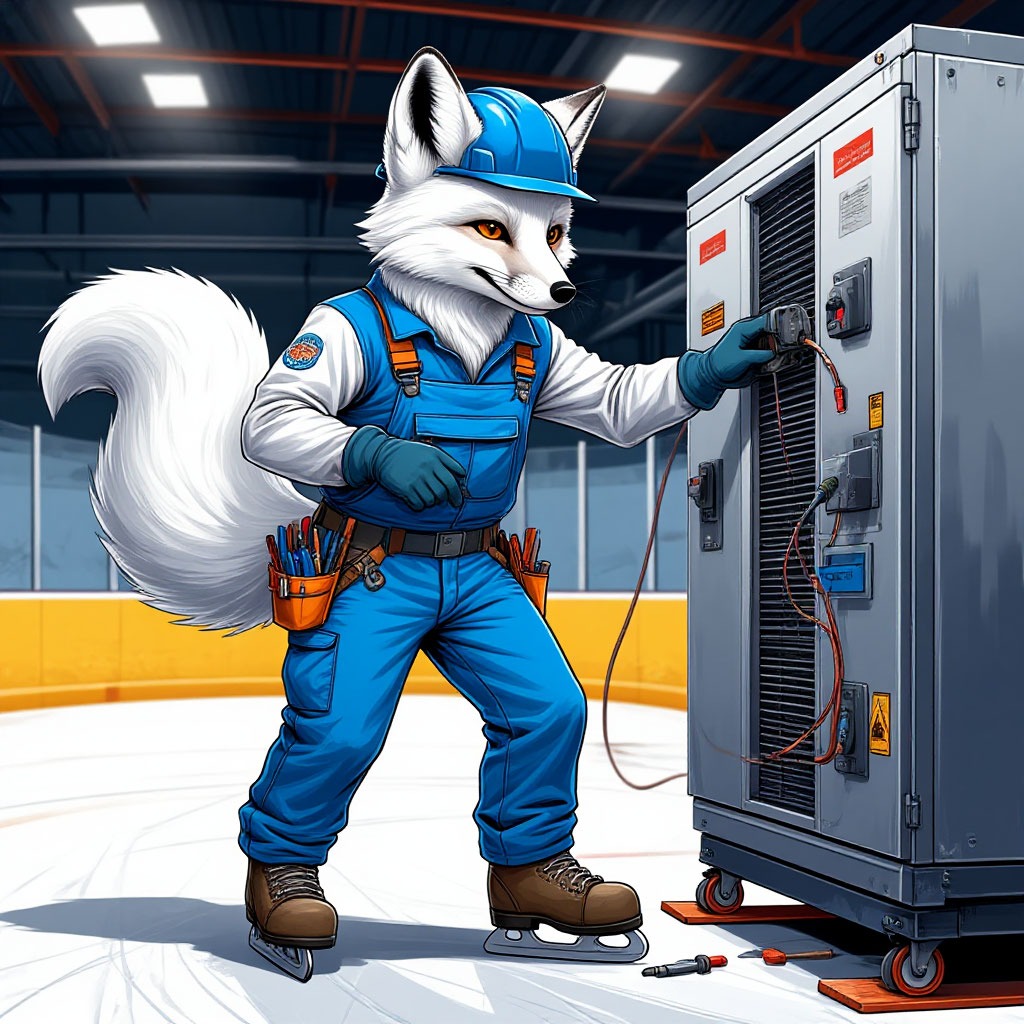
What kind of industrial refrigeration equipment is used in such projects, and what are its functions?
1. Chillers (water-cooling machines) This is the central element of the system, which provides cooling of the coolant (usually an ethylene glycol or propylene glycol solution) that circulates under the ice slab. Chillers can be compressor-based (with screw, piston, or scroll compressors) or absorption-based. They are used to remove heat from the concrete base of the ice rink. Specifications: cooling capacity from 100 to 2000 kW and more for professional arenas, heat carrier temperature at the outlet from minus 10 to minus 15 degrees Celsius. In the StroyIndustriya project, given the area of the ice rink and guest houses (where air conditioning is likely to be required), chillers with heat pumps for heat recovery can be installed - this allows for heating of the stands, locker rooms and showers.
2. Evaporative condensers (or air-cooled condensers) They remove the heat generated by the refrigeration unit into the atmosphere. Evaporative condensers are more efficient in the temperate climate of Perm, as they use water evaporation to further cool the refrigerant, which reduces energy consumption. Features: heat load from 50 to 1500 kW, low noise level (important for the residential area of Motovilikha), and a body made of galvanized steel or stainless steel. Function: ensuring the stable operation of the chiller compressors by dissipating excess heat.
3. Air dehumidifiers (adsorption or condensation) Low humidity is critical for ice arenas, as it causes the ice to become soft, fog to form, and discomfort for spectators. Dehumidifiers remove moisture from the air, cool it below the dew point, condense excess water, and return dry air that has been heated to the temperature of the arena. Dehumidifiers for ice rinks with an area of 1,800-2,000 square meters can remove up to 20-40 kg of moisture per hour. Specifications: operation at negative temperatures of the processed air (in the skating rink area), protection against frosting of the evaporator fins, and the ability to integrate with the ventilation system.
4. Refrigeration panels (film or tubular) — directly under the ice slab A system of pipelines or flexible mats that circulate cooled coolant from the chiller. They are filled with concrete and ensure uniform freezing of the ice to a specified thickness (usually 2-5 cm). Specifications: pipe spacing of 8-12 cm, pipe material is high-density polyethylene (PEX) or stainless steel, working pressure up to 6-10 bar. Function: creating and maintaining a perfectly smooth layer of ice with a surface temperature of minus 3-7 degrees (depending on the sport).
5. Refrigeration equipment for storing skates and equipment Small industrial freezers for sharpening and storing blades, as well as for preparing spare ice blocks (if damaged areas are to be replaced). These are usually split systems or monoblocks with temperatures ranging from minus 10 to minus 20 degrees. Their purpose is to maintain the microclimate in the workshops.
6. Automation and dispatching systems Controllers, ice temperature, humidity, and refrigerant pressure sensors. Modern complexes are equipped with SCADA systems that remotely control all refrigeration units, optimize operating modes depending on the ice rink's usage (competitions, mass skating, and training sessions), and the time of day, reducing electricity consumption by 20-30%.
Thus, the implementation of the project in Motovilikha becomes a catalyst for the regional market of industrial refrigeration. Companies specializing in the supply and installation of chillers, condensers, and dehumidifiers will not only benefit financially, but also gain valuable experience that can be replicated at similar facilities in other cities of the Kama region. Moreover, for local manufacturers and integrators, this is an opportunity to reduce logistics costs and respond more quickly to the needs of the facility during operation, ultimately enhancing the reliability of the entire complex.




In December 2025, Copeland—a global leader in compressor manufacturing—unveiled a new development: a CO₂ scroll compressor featuring Dynamic Vapor Injection (DVI) technology. This milestone marked a significant step in the evolution of industrial refrigeration equipment, as the combination of the natural refrigerant CO₂ and an advanced vapor injection system opens up new possibilities for enhancing energy efficiency, reducing operating costs, and meeting environmental regulations.
 Выберите размер контейнера: Температурный режим: Новый или Б/У: | Прайс-лист на рефрижераторные контейнеры Вы выбрали: 40 футовые, низкотемпературные, новые 
| ||||||||||||||||||||||||||||||||||||||||||||||||||||




 Telegram

